


Medications for Vitiligo: An Overview
Vitiligo is a chronic skin condition characterized by the loss of pigment cells, leading to white patches on the skin. It affects people of all ages and backgrounds, with no clear cure yet, but various treatments can help manage its appearance and progression. Early diagnosis and intervention are important to improve outcomes and enhance quality of life. Medications play a central role in treatment, aiming to restore pigmentation or halt the depigmentation process. Understanding the available options can empower patients to make informed decisions in collaboration with healthcare professionals.
What is Vitiligo?
Vitiligo is a long-term skin disorder where the immune system mistakenly attacks melanocytes, the cells responsible for skin pigmentation. This results in the development of white patches that can appear anywhere on the body, often symmetrically. Although it is not contagious or life-threatening, vitiligo can significantly impact emotional well-being and self-esteem. The condition is usually progressive, but its course varies among individuals. Prompt diagnosis and treatment can help slow or stop the spread of depigmentation, improving both appearance and confidence.
Definition and Main Characteristics of Vitiligo
Vitiligo is a pigmentary disorder characterized by the appearance of depigmented patches on the skin due to the destruction of melanocytes. The exact cause remains unclear but involves genetic, autoimmune, and environmental factors. It is a chronic condition that tends to persist over time, with some cases stabilizing while others progress. The disease affects all skin types but may be more noticeable in darker skin. Risk groups include individuals with a family history of vitiligo or other autoimmune diseases. The progression can be slow or rapid, and the severity varies from small spots to extensive skin involvement.
| Characteristic | Description |
|---|---|
| Type of disease | Chronic pigmentary disorder |
| Evolution | Progressive or stable over time |
| Severity | Localized or widespread depigmentation |
| Risk groups | Individuals with autoimmune predisposition, family history |
Diagnosis and When to See a Doctor
Diagnosing vitiligo involves a clinical examination by a dermatologist, who assesses the appearance and distribution of skin patches. Sometimes, additional tests like Wood’s lamp examination or skin biopsy are used to confirm the diagnosis. It is crucial not to self-medicate, as inappropriate treatments may worsen the condition or delay proper management. Early consultation with a healthcare professional ensures accurate diagnosis and tailored treatment plans, which can improve the effectiveness of therapy and prevent further depigmentation.
Tests and Diagnostic Methods for Vitiligo
Diagnosis primarily relies on visual examination of the skin, often under Wood’s lamp, which highlights depigmented areas. Blood tests may be performed to identify associated autoimmune conditions, such as thyroid dysfunction or vitiligo-related antibodies. Skin biopsies are rarely necessary but can help exclude other skin disorders. The combination of clinical assessment and laboratory tests provides a reliable confirmation of vitiligo, guiding appropriate treatment strategies.
| Test Type | Objective | Diagnostic Value |
|---|---|---|
| Clinical examination | Visual assessment of skin patches | High for typical vitiligo features |
| Wood’s lamp examination | Highlight depigmentation | Assists in early detection |
| Blood tests | Detect autoimmune or related conditions | Supports comprehensive diagnosis |
| Skin biopsy | Rule out other skin diseases | Used in atypical cases |
Signs Requiring Immediate Medical Attention
If you notice rapid expansion of depigmented patches, sudden skin changes, or symptoms like pain, swelling, or signs of infection, seek medical care promptly. Additionally, if vitiligo appears alongside other systemic symptoms such as fatigue, weight changes, or thyroid issues, it’s important to consult a healthcare professional quickly. Delaying medical evaluation in such cases may lead to complications or misdiagnosis, affecting treatment outcomes.
- Rapid worsening or spreading of patches
- Associated pain, swelling, or signs of infection
- Symptoms indicating systemic autoimmune activity
Causes and Risk Factors of Vitiligo
The development of vitiligo involves a complex interplay of genetic, autoimmune, and environmental factors. Genetic predisposition plays a significant role, with a family history increasing risk. Autoimmune mechanisms lead the immune system to target melanocytes, while environmental triggers such as stress, skin trauma, or exposure to certain chemicals may contribute to disease onset or progression. Age is also a factor, with many cases appearing before age 30. Recognizing these factors can help in understanding individual risk and implementing preventive measures.
Factors Contributing to Vitiligo
Several internal and external factors influence the development of vitiligo, often acting together. These include:
- Genetic susceptibility: Family history of vitiligo or autoimmune diseases
- Autoimmune response: Immune system attacking melanocytes
- Environmental triggers: Skin trauma, chemical exposure, or stress
- Age: Typically begins in early adulthood
- Other autoimmune conditions: Thyroid disease, diabetes
| Risk Factor | Description | Likelihood |
|---|---|---|
| Genetics | Family history increases risk | Moderate to high |
| Autoimmune activity | Immune system attacks melanocytes | High in susceptible individuals |
| Environmental exposure | Skin trauma or chemicals | Variable |
| Stress | May trigger or worsen symptoms | Possible |
Recognizing Early Symptoms of Vitiligo
Initial signs of vitiligo often include small, flat, white patches on the skin that gradually enlarge over time. These patches are usually symmetric and may appear on areas exposed to the sun, such as hands, face, or arms. The edges are often well-defined, and the skin feels normal to the touch. Early detection is important because treatment can be more effective before the patches spread extensively. Noticing these changes early allows for timely medical consultation and management.
How to Recognize the First Signs of Vitiligo
Common early symptoms include:
- Small, white, flat patches on the skin
- Symmetrical distribution, especially on hands, face, or elbows
- Gradual enlargement of patches over weeks or months
- Absence of symptoms like pain or itching in early stages
Distinguishing vitiligo from other skin conditions involves noting the uniform white color and the lack of inflammation or scaling. If you observe such patches, consulting a dermatologist promptly can facilitate early diagnosis and treatment.
Types of Medications and Treatments
Managing vitiligo involves a variety of medications, which are chosen based on the extent and activity of the disease. Some treatments are available over-the-counter for mild cases, but more advanced or widespread vitiligo often requires prescription medications. The selection depends on patient age, skin location, and disease severity. Always consult a healthcare professional before starting any treatment to ensure safety and appropriateness.
Medications for Vitiligo Treatment
Several classes of drugs are used to treat vitiligo, aiming to stimulate repigmentation or suppress immune activity. Topical corticosteroids are common to reduce inflammation and immune response, with examples like hydrocortisone or betamethasone. Calcineurin inhibitors, such as tacrolimus or pimecrolimus, are used especially on sensitive areas like the face. Phototherapy agents, including psoralen combined with UVA (PUVA), are also employed to induce pigmentation. In some cases, systemic treatments like corticosteroids or immunomodulators are prescribed for extensive disease. The goal is to restore skin color or prevent further depigmentation, always under medical supervision.
| Type of Medication | Example of Active Ingredient | Therapeutic Goal |
|---|---|---|
| Topical corticosteroids | Hydrocortisone, Betamethasone | Reduce immune response and inflammation |
| Calcineurin inhibitors | Tacrolimus, Pimecrolimus | Modulate immune activity, promote repigmentation |
| Phototherapy agents | Psoralen, UVA light | Stimulate melanocyte activity |
| Systemic corticosteroids | Prednisone | Suppress immune response in severe cases |
Natural Remedies for Vitiligo
While natural approaches cannot replace medical treatments, some complementary methods may help soothe skin or support overall health. These include applying aloe vera gel, which has soothing properties; consuming antioxidant-rich foods like berries and green leafy vegetables; using turmeric masks for its anti-inflammatory effects; and practicing stress reduction techniques such as yoga or meditation. It is essential to discuss any natural remedies with a healthcare provider to ensure they do not interfere with prescribed treatments. These methods should be viewed as supportive rather than curative.
Forms and Presentations: Tablets, Capsules, Gels
Medications for vitiligo are available in various forms, including topical gels, creams, oral tablets, capsules, and injections. Topical formulations are often used for localized patches and are easy to apply, providing direct treatment to affected areas. Oral tablets and capsules are prescribed for more widespread disease or when systemic therapy is needed, offering convenience and systemic action. Injections may be used in specific cases, especially when other treatments have failed. Each form has its advantages, such as rapid absorption or ease of use, and is selected based on the severity and location of the disease.
| Form of Medication | Characteristics | Most Common Use |
|---|---|---|
| Topical gels and creams | Localized application, fast absorption | Small patches or sensitive areas |
| Oral tablets and capsules | Systemic effect, easy to administer | Widespread vitiligo |
| Injections | Targeted or systemic, often reserved for resistant cases | Severe or extensive disease |
Over-the-Counter (OTC) Medications
For mild vitiligo symptoms, some OTC products may provide symptomatic relief, such as skin moisturizers or lightening creams. Products containing ingredients like vitamin D analogs or mild corticosteroids can be used cautiously. However, these options are limited in efficacy and should not replace professional medical advice, especially if patches enlarge or multiply. Persistent or worsening symptoms require consultation with a dermatologist for appropriate prescription therapies.
- Moisturizers to soothe dry skin
- Lightening creams for minor discoloration
- Sun protection to prevent contrast enhancement
Note that OTC options are suitable only for mild cases; for extensive or progressive vitiligo, professional treatment is essential.
Precautions and Side Effects
Even medications considered safe can cause side effects if misused or overused. Common issues include skin irritation, redness, or allergic reactions, especially with topical steroids or calcineurin inhibitors. Systemic treatments like corticosteroids carry risks such as weight gain, mood changes, or blood sugar fluctuations. Following prescribed dosages and instructions minimizes these risks. Certain populations, including children, pregnant women, the elderly, or those with other health conditions, should use medications with extra caution and under medical supervision to avoid adverse effects.
Most Common Side Effects
Side effects vary depending on the medication and administration route. Topical steroids may cause thinning of the skin, stretch marks, or local irritation. Calcineurin inhibitors can lead to burning or redness at application sites. Systemic corticosteroids may cause weight gain, osteoporosis, or immune suppression if used long-term. Severe allergic reactions, though rare, require immediate medical attention. Regular monitoring by a healthcare provider helps detect and manage side effects early.
| Type of Effect | Frequency | Severity | Recommendations |
|---|---|---|---|
| Skin irritation | Common | Mild to moderate | Adjust dosage or switch medication |
| Allergic reactions | Rare | Severe | Discontinue medication and seek urgent care |
| Systemic effects (steroids) | Long-term use | Serious | Use under strict medical supervision |
Safe Medication Use Tips
- Follow the prescribed dosage and application instructions carefully
- Avoid combining medications without medical advice
- Store medicines in a cool, dry place away from children
- Report any side effects or unusual symptoms promptly
- Schedule regular check-ups to monitor treatment efficacy and safety
Responsible medication use and ongoing medical supervision are key to achieving the best results and minimizing risks.
Prevention and Daily Care
While vitiligo cannot always be prevented, adopting healthy daily habits can help manage the condition and reduce triggers. Protecting skin from excessive sun exposure, avoiding skin trauma, maintaining good hygiene, and managing stress are important. Regular medical check-ups enable early detection of changes, allowing prompt intervention. A balanced diet rich in antioxidants and vitamins supports skin health, and avoiding known environmental triggers can slow disease progression. Personalized advice from healthcare providers ensures that preventive measures are tailored to individual needs.
Recommended Habits to Reduce Vitiligo Risk
To support skin health and potentially reduce disease activity, consider:
- Applying broad-spectrum sunscreen daily to prevent sunburn and protect depigmented patches
- Maintaining a nutritious diet rich in vitamins C, D, and E, as well as antioxidants
- Engaging in stress-reducing activities like meditation or yoga
- Avoiding skin injuries or trauma in vulnerable areas
- Practicing good hygiene and skin care routines
| Prevention Domain | Recommended Measures | Main Benefits |
|---|---|---|
| Skin protection | Sunscreen, protective clothing | Prevents sunburn, reduces depigmentation spread |
| Nutrition | Antioxidant-rich foods, vitamins | Supports skin health and immune function |
| Stress management | Meditation, relaxation techniques | Reduces triggers for disease activation |
| Skin trauma avoidance | Careful handling, avoiding injuries | Prevents new patches |
Additional Preventive Measures
Secondary preventive strategies include routine medical examinations, vaccinations if applicable, and supplementation with vitamins like B12 and folic acid, which may support skin health. Adhering to medical advice and monitoring disease activity can help detect early signs of progression. These measures not only lower the risk of vitiligo worsening but also contribute to overall health and well-being, enhancing quality of life over the long term.
Prognosis and Recovery
The outlook for vitiligo varies depending on factors such as disease extent, age at onset, and response to treatment. Many patients experience stabilization or partial repigmentation with appropriate therapy. Early intervention generally leads to better results, and adherence to treatment plans can significantly improve prognosis. While complete cure remains elusive, managing the condition effectively can restore skin appearance and boost confidence. Regular follow-up and lifestyle adjustments are essential components of long-term management.
Typical Recovery Time
The time required for noticeable improvement depends on the severity and treatment modality. Mild cases may show signs of repigmentation within a few weeks to months, while more extensive vitiligo can take several months or even years. For example, topical corticosteroids or phototherapy might require 3 to 6 months of consistent use to observe significant changes. Chronic cases often need ongoing management, with gradual improvement over time. Patience and persistence are key to achieving the best possible outcome.
| Type of Case | Average Recovery Duration | Comments |
|---|---|---|
| Mild localized vitiligo | Weeks to a few months | Favorable response with treatment |
| Extensive or resistant vitiligo | Several months to years | Requires ongoing therapy and monitoring |
Factors Improving the Prognosis
Several elements can enhance the likelihood of remission or significant repigmentation, including early diagnosis, consistent treatment adherence, and avoiding skin trauma. Patients who maintain a healthy lifestyle, reduce stress, and follow medical advice tend to have better outcomes. Additionally, the use of combination therapies, such as phototherapy with topical medications, can accelerate recovery. Recognizing and addressing associated autoimmune conditions also contribute positively to prognosis. These factors collectively increase the chances of achieving stable skin pigmentation and prevent relapses.
- Early initiation of treatment
- Adherence to prescribed therapies
- Protection from skin injury and sun damage
- Management of associated autoimmune diseases
- Healthy lifestyle and stress control
Lifestyle Changes for Better Outcomes
Recovery from vitiligo is supported by adopting habits that promote skin health and reduce triggers. Patients should avoid excessive sun exposure, use protective clothing, and apply sunscreen regularly. Maintaining a balanced diet rich in antioxidants and vitamins can bolster immune function. Managing stress through relaxation techniques helps prevent disease activation. Avoiding skin injuries and promptly treating any skin infections are also important. These lifestyle modifications, combined with medical treatment, can improve the chances of remission and prevent new patches from forming.
Potential Complications
If untreated or poorly managed, vitiligo can lead to psychological distress, social withdrawal, and decreased quality of life. In some cases, depigmentation may spread extensively, affecting large skin areas and causing discomfort. There is also a risk of developing other autoimmune conditions, such as thyroid disease or alopecia areata. Rarely, secondary infections may occur in depigmented areas due to skin fragility. Preventing these complications relies on early diagnosis, consistent treatment, and psychological support when needed. With proper care, most patients can avoid serious long-term issues and maintain a good quality of life.
| Complication | Frequency | Severity | Prevention |
|---|---|---|---|
| Psychological impact | Common | Variable | Psychological support, counseling |
| Extensive depigmentation | Variable | Serious | Early treatment adherence |
| Autoimmune diseases | Possible | Serious | Monitoring and managing associated conditions |
| Secondary skin infections | Rare | Moderate | Proper skin care and hygiene |
With appropriate treatment and ongoing care, most patients with vitiligo can achieve satisfactory management, minimizing long-term complications and maintaining a good quality of life.
Where to Purchase Vitiligo Medications
Medications for vitiligo are available through pharmacies and online platforms. It is essential to verify the legitimacy of the pharmacy and ensure the quality and authenticity of the medicines. Beware of counterfeit products that may be ineffective or harmful. All medications prescribed for vitiligo are accessible in our authorized online pharmacy in France, with proper licensing and quality assurance. Purchasing from reputable sources guarantees safe and effective treatment options tailored to your needs.
Shop Safely in an Authorized Online Pharmacy
Buying medications from our certified online pharmacy offers several advantages, including access to professional advice, guaranteed product authenticity, and secure transactions. Our platform ensures that all medicines are stored and shipped under strict quality controls, with traceability and confidentiality. Before purchasing, verify the pharmacy’s license, check the packaging and expiration date, and consult our pharmacists for guidance. This approach ensures safe, reliable, and convenient access to your medications, with the added benefit of discreet delivery and easy returns if necessary.
Can You Buy Vitiligo Medications Online Without a Prescription?
In France, all medications used for vitiligo treatment are available online without a prescription through our pharmacy. This includes topical creams, ointments, and certain systemic therapies. However, it is strongly recommended to consult a healthcare professional before starting any treatment to ensure proper diagnosis and appropriate medication choice. Online purchases should be made from licensed pharmacies that adhere to safety standards, and patients should follow all usage instructions carefully. Self-medication without professional guidance can lead to ineffective treatment or adverse effects.
- Verify the pharmacy’s licensing and credentials
- Ensure the products are sealed and properly labeled
- Follow the recommended dosage and application instructions
- Consult a healthcare provider for personalized advice
- Avoid purchasing from unverified or unlicensed sources
Shipping Options and Quality Assurance
Our pharmacy offers multiple shipping options, including standard, expedited, and international delivery, tailored to your needs. Each shipment undergoes rigorous quality control measures, such as lot tracking, temperature regulation, and secure packaging to maintain medication integrity. We ensure discreet packaging to protect your privacy and provide real-time tracking for peace of mind. These measures help guarantee that your medicines arrive safely and in optimal condition, supporting effective treatment and patient satisfaction.
- Multiple delivery options for convenience
- Traceability and lot control for safety
- Temperature-controlled packaging
- Discreet and secure packaging
- Real-time shipment tracking
Pricing, Availability, and Promotions in French Pharmacies
The cost of vitiligo medications in France varies based on factors such as the medication’s brand or generic status, dosage, form (cream, gel, capsule), and whether a prescription is required. Distribution channels, regional differences, and ongoing promotions also influence prices. Some formulations may be readily available, while others require special ordering or are seasonal. Many pharmacies offer discounts, coupons, and loyalty programs, making treatment more affordable. Comparing prices between online and brick-and-mortar pharmacies, and consulting with pharmacists about generic alternatives, can help optimize costs. Staying informed about current offers ensures access to effective treatments at the best possible price.
| Produits en pharmacie | Prix |
|---|---|
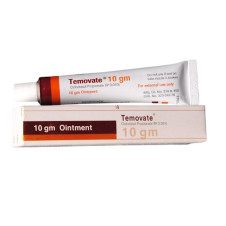
| Temovate Crème 15/30 g | 110.27 € |
| Clobétasol 0.05% Crème | 0.00 € |
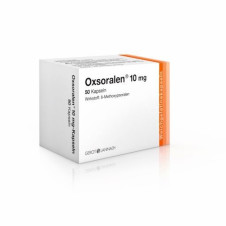
| Oxsoralen | 0.00 € |
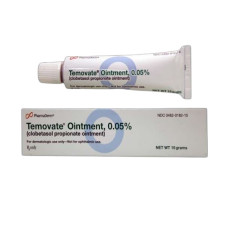
| Temovate 0.05% | 0.00 € |
FAQ : Questions et réponses sur Médicaments contre le Vitiligo en 2026
-
Est-il obligatoire de présenter une ordonnance pour acheter Médicaments contre le Vitiligo ?
-
Est-il légal d’acheter Médicaments contre le Vitiligo en France ?
-
Existe-t-il une option pour acheter Médicaments contre le Vitiligo dans votre pharmacie en ligne ?
-
Quel est le coût de Médicaments contre le Vitiligo ?
-
Quels moyens de paiement sont disponibles ?
-
Comment fonctionne votre service de livraison ?
-
Top des produits populaires en pharmacie