


Medications for Varices: An Informative Overview
Varices are swollen, twisted veins that often appear in the legs and can cause discomfort, swelling, and aesthetic concerns. They are a common condition affecting a significant portion of the adult population, especially women and older adults. Early diagnosis and appropriate treatment are essential to manage symptoms effectively, prevent complications, and improve quality of life. Medications play a vital role in controlling symptoms and supporting vein health, often combined with lifestyle changes and medical procedures when necessary.
What Are Varices?
Varices are enlarged, dilated veins resulting from weakened vein walls and malfunctioning valves, which lead to blood pooling and vein expansion. They primarily affect the superficial veins of the legs but can also occur in other areas. This condition is usually chronic and tends to worsen over time if untreated. Recognizing varices early is crucial because it allows for interventions that can reduce symptoms and prevent progression to more serious complications like ulcers or thrombosis.
Definition and Main Characteristics of Varices
Varices are abnormal, enlarged veins caused by increased venous pressure and valve failure. They develop gradually and are often associated with factors such as genetic predisposition, prolonged standing, obesity, pregnancy, and aging. The disease is classified as a chronic condition that can range from mild, with visible veins and minor discomfort, to severe, involving skin ulcers or bleeding. Key features include visible bulging veins, aching or heaviness in the legs, and swelling. Risk groups include pregnant women, individuals with sedentary lifestyles, and those with a family history of vein disease.
Diagnosis and When to See a Doctor
Diagnosis of varices involves a clinical examination by a healthcare professional, who assesses visible veins and symptoms. To confirm the diagnosis and evaluate severity, imaging tests such as Doppler ultrasound are commonly used. It is important not to self-medicate, as only a qualified specialist can determine the extent of the disease and prescribe appropriate treatment. Early diagnosis improves treatment outcomes and helps prevent complications like thrombosis or skin ulcers.
Tests and Diagnostic Methods for Varices
The primary diagnostic tool is Doppler ultrasound, which visualizes blood flow and vein structure, confirming the presence of varices and assessing valve function. Physical examination involves inspecting the legs for visible veins, swelling, and skin changes. Blood tests are generally not specific but may be used to evaluate overall health or rule out other conditions. The table below summarizes common diagnostic methods:
| Type of Test | Objective | Diagnostic Value |
|---|---|---|
| Doppler Ultrasound | Visualize vein structure and blood flow | High sensitivity and specificity for varices |
| Physical Examination | Inspect visible veins and skin changes | Initial assessment, guides further testing |
| Venography (less common) | Detailed vein mapping | Used in complex cases or pre-surgical planning |
Signs Requiring Urgent Medical Attention
While varices are often benign, certain symptoms necessitate immediate medical care. These include sudden, severe pain, rapid swelling, skin discoloration, or bleeding from a vein. Signs of skin ulceration, persistent swelling, or signs of infection also require prompt evaluation. Delayed treatment of these symptoms can lead to serious complications such as deep vein thrombosis or significant bleeding. Recognizing these warning signs early helps prevent severe outcomes and ensures timely intervention.
Causes and Risk Factors of Varices
Varices develop due to a combination of internal and external factors that weaken vein walls or impair blood flow. Common causes include genetic predisposition, prolonged standing or sitting, obesity, pregnancy, and aging. Environmental factors such as sedentary lifestyles and occupational standing contribute significantly. In some cases, underlying conditions like deep vein thrombosis or hormonal influences also play a role. Recognizing these risk factors allows for targeted prevention strategies.
Factors Contributing to Varices
Several internal and external factors contribute to the development of varices. Internally, genetic weakness of vein walls and valve malfunctions are primary causes. Externally, lifestyle habits such as prolonged immobility, obesity, and pregnancy increase pressure on veins. Environmental influences like standing for long periods or high temperatures can exacerbate symptoms. Often, multiple factors combine, making the disease multifactorial. Recognizing these helps in implementing effective preventive measures.
| Type of Factor | Example | Mechanism of Influence |
|---|---|---|
| Internal | Genetic predisposition | Weakened vein walls and valve failure |
| External | Prolonged standing | Increased venous pressure over time |
| Behavioral | Sedentary lifestyle | Reduced muscle activity impairs blood flow |
Understanding the factors that cause varices is essential for adopting preventive measures and reducing disease risk. Early recognition of symptoms and risk factors allows for timely intervention, potentially halting progression.
Manifestation and Symptoms of Varices
Varices often begin subtly, with visible veins and mild discomfort or heaviness in the legs. As they progress, symptoms may include swelling, throbbing pain, and skin changes like pigmentation or ulcers. These symptoms tend to worsen with prolonged standing or heat. Early detection of these signs enables prompt management, reducing the risk of complications and improving patient comfort.
Recognizing Early Signs of Varices
Initial symptoms typically include visible, bulging veins, a feeling of heaviness, and mild aching in the legs. Some individuals may notice swelling or skin discoloration. These signs are often more prominent after long periods of standing or during hot weather. Differentiating these from other conditions involves noting the pattern of symptoms and their relation to activity. Early recognition facilitates timely treatment and lifestyle adjustments to prevent worsening.
Types of Medications and Treatments
Managing varices involves a combination of medications, lifestyle modifications, and sometimes surgical procedures. Mild cases may be treated with topical agents or oral medications, while more advanced stages require stronger drugs or invasive interventions. Always consult a healthcare professional to choose the most appropriate approach based on disease severity, age, and overall health. Self-medication is not recommended, as improper use can lead to adverse effects or inadequate control.
Medications for Treating Varices
Several drug groups are used to improve vein health and alleviate symptoms. Venoactive drugs, such as flavonoids (e.g., diosmin, hesperidin), aim to strengthen vein walls and reduce inflammation. Phlebotropic agents help improve blood flow and decrease venous pressure. In some cases, anticoagulants or anti-inflammatory medications are prescribed if complications arise. The table below summarizes common medication types:
| Type of Medication | Example of Active Ingredient | Therapeutic Goal |
|---|---|---|
| Venoactive drugs | Diosmin, Hesperidin | Reduce inflammation, improve vein tone |
| Phlebotropic agents | Horse chestnut extract | Enhance blood flow, decrease swelling |
| Anticoagulants | Heparin, Rivaroxaban | Prevent clot formation in severe cases |
Natural Remedies for Varices
Complementary natural approaches can help relieve symptoms but should not replace medical treatment. Examples include horse chestnut extract, grape seed extract, and topical arnica gels, which may reduce swelling and improve vein elasticity. Elevating the legs, wearing compression stockings, and maintaining a healthy diet rich in antioxidants are also beneficial. Always consult a healthcare provider before starting any natural remedy to ensure safety and appropriateness.
Forms and Presentations: Tablets, Capsules, Gels
Medications for varices are available in various forms, including tablets, capsules, topical gels, and injections. Tablets and capsules are convenient for systemic treatment, providing consistent dosing and ease of use. Gels and creams are applied directly to affected areas, offering localized relief with quick absorption. Injections may be used in specialized cases, such as sclerotherapy. The choice depends on disease severity, patient preference, and physician recommendation.
Over-the-Counter (OTC) Medications
For mild symptoms, OTC options like topical gels containing horse chestnut or arnica can provide temporary relief. Oral supplements such as flavonoids are also available without a prescription and may help strengthen veins. However, persistent or worsening symptoms require medical evaluation. These OTC products are best used as adjuncts to lifestyle changes and under medical guidance, not as sole treatments.
Precautions and Side Effects
Even medications considered safe can cause side effects, especially if misused or in vulnerable populations. Common adverse effects include gastrointestinal discomfort, allergic reactions, or skin irritation. Serious side effects, though rare, may involve liver issues or cardiovascular effects. Following prescribed dosages, monitoring for adverse reactions, and consulting healthcare providers help minimize risks. Particular caution is advised for children, pregnant women, the elderly, and those with chronic illnesses.
Most Common Side Effects
Typical minor side effects include nausea, headache, or skin irritation. Rare but serious reactions may involve allergic dermatitis, liver enzyme elevation, or cardiovascular symptoms like palpitations. Patients should report any unusual or severe symptoms promptly. A detailed understanding of potential side effects enables safer medication use and early detection of adverse reactions.
Safe Medication Use Tips
- Always adhere to the prescribed dosage and schedule.
- Avoid combining medications with alcohol or certain foods unless advised by a doctor.
- Store medicines in a cool, dry place away from children.
- Schedule regular check-ups to monitor treatment effectiveness and side effects.
- Report any adverse reactions or concerns to your healthcare provider promptly.
Responsible medication use and ongoing medical supervision are key to achieving optimal results and avoiding complications.
Prevention and Daily Care
Preventive measures and daily habits are essential in managing varices and reducing their development. Regular medical check-ups, maintaining a healthy weight, engaging in physical activity, and avoiding prolonged standing or sitting help support vein health. Wearing compression stockings and elevating legs during rest can alleviate pressure. Early intervention at the first signs of symptoms can prevent disease progression and improve comfort.
Recommended Habits to Reduce Varices Risk
Adopting a healthy lifestyle includes:
- Eating a balanced diet rich in fiber and antioxidants
- Engaging in regular, moderate exercise like walking or swimming
- Avoiding long periods of immobility or standing
- Maintaining a healthy weight to reduce pressure on veins
- Using compression stockings if advised by a healthcare professional
Additional Preventive Measures
Secondary prevention involves routine medical evaluations, especially for at-risk individuals. Vaccinations, if relevant, and nutritional supplements like vitamin C or bioflavonoids can support vascular health. Following your doctor's recommendations regarding medications or lifestyle adjustments helps prevent disease worsening. Consistent care and vigilance are vital for long-term management and quality of life.
Prognosis and Recovery
The outlook for individuals with varices depends on disease severity, early intervention, and adherence to treatment. With proper management, most patients experience symptom relief and prevent serious complications. Regular follow-up and lifestyle modifications accelerate recovery and maintain vein health. The prognosis is generally favorable when treatment is timely and comprehensive.
Typical Recovery Time
The recovery period varies based on the extent of the disease and chosen treatment. Mild cases may see improvement within a few days to weeks, especially with conservative measures. More advanced or surgically treated cases may require several weeks or months for full recovery. Chronic conditions often need ongoing management, with gradual symptom reduction over time.
| Type of Case | Average Recovery Duration | Comments |
|---|---|---|
| Mild varices | 1-3 weeks | Often managed with lifestyle and medication |
| Moderate to severe cases | 4-12 weeks | May involve procedures like sclerotherapy or surgery |
| Chronic disease | Ongoing management | Gradual improvement, regular monitoring necessary |
Factors Enhancing Prognosis
- Early diagnosis and prompt treatment initiation
- Adherence to medical advice and lifestyle recommendations
- Use of compression therapy and leg elevation
- Maintaining a healthy weight and active lifestyle
- Regular follow-up and monitoring
These factors significantly increase the chances of full recovery or remission and reduce the risk of recurrence.
Lifestyle Changes for Better Outcomes
The recovery of varices also depends on adopting healthier habits. It is recommended to:
- Incorporate regular physical activity to improve circulation
- Follow a balanced diet to support vascular health
- Avoid prolonged standing or sitting without movement
- Wear compression stockings if prescribed
- Manage stress and avoid smoking or excessive alcohol
Potential Complications
If left untreated or poorly managed, varices can lead to serious complications such as skin ulcers, bleeding, or blood clots. These issues can impair mobility and significantly affect quality of life. Preventing complications relies on early diagnosis, appropriate treatment, and patient compliance with medical advice. Recognizing warning signs and seeking timely care are essential steps in avoiding adverse outcomes.
| Complication | Frequency | Severity | Prevention |
|---|---|---|---|
| Skin ulcers | Less common | Moderate to severe | Proper wound care, compression therapy |
| Bleeding | Rare but serious | Severe, potentially life-threatening | Avoid trauma, monitor for skin changes |
| Blood clots (thrombosis) | Variable | Serious, requiring urgent treatment | Medication adherence, activity |
With appropriate care and ongoing management, most patients recover well and avoid long-term complications.
Where to Buy Medications for Varices
Medications for varices are widely available in pharmacies and online stores. It is crucial to verify that the pharmacy is licensed and that the medicines are authentic and properly stored. Beware of counterfeit products, which can be ineffective or dangerous. All medications for varices are available by prescription in our online pharmacy in France, ensuring safety and quality.
Shop Safely in an Accredited Online Pharmacy
Purchasing from our authorized online pharmacy offers several advantages, including professional advice, guaranteed product quality, and secure transactions. Always check the pharmacy’s license, examine packaging for integrity, and verify expiration dates before purchase. Consulting a pharmacist for guidance ensures you select the right medication and dosage, enhancing safety and treatment effectiveness.
Can You Buy Varices Medications Online Without a Prescription?
In France, all medications for varices can be purchased online without a prescription through our pharmacy. This includes topical agents, oral supplements, and certain medications used in conservative management. However, it remains essential to consult a healthcare professional for proper diagnosis and treatment planning. Buying medications without proper medical guidance can lead to ineffective treatment or adverse effects.
- Verify the legitimacy of the online pharmacy
- Ensure products are sealed and labeled correctly
- Check for clear contact information and customer support
- Review return and refund policies
- Consult a healthcare provider before starting new treatments
Shipping Options and Quality Assurance
Our pharmacy offers various shipping methods, including standard, express, and international delivery, tailored to your needs. We implement strict quality controls such as lot traceability, temperature regulation, and discreet packaging to ensure product integrity. Tracking your order and receiving confirmation of delivery are standard practices. These measures guarantee that your medications arrive safely and in optimal condition.
Pricing, Availability, and Promotions in French Pharmacies
The cost of varices medications in France varies based on factors like brand versus generic, dosage, formulation (tablets, gels), and whether a prescription is required. Availability can fluctuate depending on stock, regional demand, and seasonal factors. Many pharmacies offer discounts, promotional codes, and loyalty programs, making treatment more affordable. Comparing prices between pharmacies and online outlets can help you find the best deals. If a specific form or strength is needed, inquire in advance about ordering options or alternatives to ensure timely access to your medication.
| Produits en pharmacie | Prix |
|---|---|
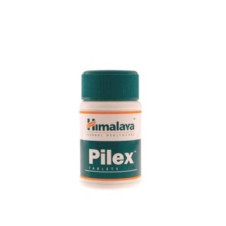
| Pilex 60 capsules | 80.99 € |
FAQ : Questions et réponses sur Médicaments contre les Varices en 2026
-
Est-il obligatoire de présenter une ordonnance pour acheter Médicaments contre les Varices ?
-
Est-il légal d’acheter Médicaments contre les Varices en France ?
-
Existe-t-il une option pour acheter Médicaments contre les Varices dans votre pharmacie en ligne ?
-
Quel est le coût de Médicaments contre les Varices ?
-
Quels moyens de paiement sont disponibles ?
-
Comment fonctionne votre service de livraison ?
-
Top des produits populaires en pharmacie