


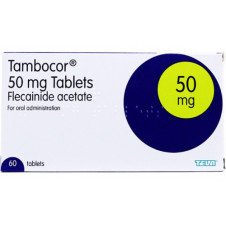
Medications for Wolff-Parkinson-White Syndrome
Wolff-Parkinson-White (WPW) syndrome is a heart condition characterized by an abnormal electrical pathway in the heart, which can lead to episodes of rapid heartbeats or arrhythmias. Although it can be asymptomatic in some cases, it may cause palpitations, dizziness, or even fainting during episodes. Early diagnosis and appropriate treatment are essential to prevent complications such as sustained arrhythmias or sudden cardiac events. Managing WPW effectively can significantly improve quality of life and reduce the risk of serious outcomes. Treatments are tailored based on the severity of symptoms and the presence of associated risks, often involving medications, lifestyle adjustments, or invasive procedures. Understanding the available options helps patients and caregivers make informed decisions in collaboration with healthcare professionals.
What is Wolff-Parkinson-White?
Wolff-Parkinson-White syndrome is a congenital heart disorder where an extra electrical connection exists between the atria and ventricles, bypassing the normal conduction system. This abnormal pathway can facilitate rapid electrical signals, leading to episodes of tachycardia, or fast heart rate. The condition affects the heart's electrical system but does not necessarily cause structural damage. It is relatively rare, occurring in about 1 to 3 per 1,000 people, and can be present from birth or develop later. Diagnosing WPW early is crucial because it allows timely intervention, which can prevent episodes from becoming more frequent or severe. While some individuals remain asymptomatic, others may experience significant symptoms requiring medical attention. Proper management can reduce the risk of complications such as atrial fibrillation or sudden cardiac arrest.
Definition and Main Characteristics of Wolff-Parkinson-White
WPW syndrome is a type of pre-excitation syndrome characterized by an accessory pathway that allows electrical impulses to bypass the normal conduction system of the heart. This can lead to episodes of supraventricular tachycardia (SVT), which are rapid heartbeats originating above the ventricles. Causes include congenital anomalies in the heart's conduction system, often inherited, but environmental factors may also influence its manifestation. The disease can be episodic or persistent, with symptoms ranging from mild palpitations to severe arrhythmias. It is classified as a benign condition in many cases, but in some, it poses a risk for life-threatening arrhythmias. The risk groups include young adults and individuals with a history of fainting or previous arrhythmic episodes. Early detection and management are vital to prevent progression and complications.
| Characteristic | Description |
|---|---|
| Type | Pre-excitation syndrome with accessory pathway |
| Common symptoms | Palpitations, dizziness, fainting |
| Risks | Potential for atrial fibrillation, sudden cardiac arrest |
| Prognosis | Generally favorable with treatment; risk minimized with early intervention |
Diagnosis and When to See a Doctor
Diagnosing WPW syndrome involves a thorough medical history, physical examination, and specialized tests. An electrocardiogram (ECG) is the primary tool, revealing characteristic signs such as a short PR interval and delta wave. In some cases, additional tests like Holter monitoring or electrophysiological studies are performed to assess the severity and risk. It is crucial not to self-medicate or ignore symptoms, as proper diagnosis requires a healthcare professional’s expertise. Early consultation with a cardiologist can lead to prompt management, reducing the likelihood of adverse events. Recognizing symptoms such as sudden palpitations, chest discomfort, or fainting warrants immediate medical evaluation to confirm the diagnosis and determine the appropriate treatment plan.
Tests and Diagnostic Methods for Wolff-Parkinson-White
The main diagnostic method is the ECG, which detects the hallmark features of WPW, including the delta wave and shortened PR interval. When necessary, ambulatory ECG monitoring (Holter) captures arrhythmic episodes over 24-48 hours, providing insight into frequency and triggers. Electrophysiological studies (EPS) are invasive tests that map the heart’s electrical pathways, helping assess the risk of dangerous arrhythmias and guiding treatment decisions. Echocardiography may be used to exclude structural heart disease, although it does not diagnose WPW directly. These tests collectively enable a comprehensive understanding of the condition, facilitating personalized management strategies.
Signs Requiring Immediate Medical Attention
Any sudden onset of chest pain, severe dizziness, fainting, or persistent rapid heartbeat should prompt urgent medical care. Symptoms such as shortness of breath, weakness, or palpitations that do not resolve quickly also require prompt evaluation. These signs may indicate a serious arrhythmia or other cardiac emergency, and delaying treatment could lead to complications like stroke or cardiac arrest. If you experience these symptoms, seek emergency medical assistance without delay to ensure rapid diagnosis and intervention.
Causes and Risk Factors of Wolff-Parkinson-White
WPW syndrome is primarily caused by congenital anomalies in the heart’s electrical conduction system, often inherited in families. Genetic factors play a significant role, with some cases linked to specific gene mutations. External factors such as stress, caffeine, alcohol, or certain medications can trigger episodes but do not cause the syndrome itself. Age is also a factor, as symptoms often manifest in childhood or young adulthood. Environmental influences and lifestyle choices may influence the frequency and severity of episodes, but the underlying abnormal pathway is usually present from birth. Recognizing these risk factors helps in early detection and management, especially in individuals with a family history of arrhythmias.
Factors Contributing to Wolff-Parkinson-White
The development of WPW involves internal factors like genetic predisposition and structural heart anomalies, as well as external influences such as lifestyle habits and environmental exposures. Internal causes include inherited conduction system abnormalities, while external factors like caffeine intake, stress, or certain drugs can precipitate episodes. Multiple factors often interact, increasing the likelihood of arrhythmic events. Recognizing and modifying external risk factors can help reduce the frequency of episodes and improve overall prognosis.
| Risk Factor | Description | Probability |
|---|---|---|
| Genetic predisposition | Inherited conduction pathway anomalies | High in familial cases |
| Lifestyle habits | Caffeine, alcohol, stress | Moderate to high |
| Structural heart defects | Congenital anomalies | Variable |
Recognizing Early Symptoms of Wolff-Parkinson-White
Common early signs include episodes of rapid heartbeat, palpitations, dizziness, or fainting spells, especially during physical activity or emotional stress. Some individuals may experience chest discomfort or shortness of breath. Recognizing these symptoms early allows for timely medical evaluation, which can prevent progression to more severe arrhythmias. Many patients notice their symptoms occur intermittently, often triggered by certain activities or stressors. Early diagnosis and management can significantly reduce risks and improve quality of life.
How to Recognize the First Signs of Wolff-Parkinson-White
- Sudden episodes of rapid, pounding heartbeats
- Dizziness or feeling faint during episodes
- Shortness of breath or chest discomfort
- Symptoms often occur during exertion or emotional stress
- Episodes may resolve spontaneously or require medical intervention
| Symptom | Frequency | Severity | Remarks |
|---|---|---|---|
| Palpitations | Common | Variable | Often episodic, triggered by activity |
| Dizziness or fainting | Less frequent | Potentially serious | Requires medical assessment |
| Chest discomfort | Occasional | Variable | May indicate arrhythmia severity |
Medications and Treatments for Wolff-Parkinson-White
The treatment of WPW depends on symptom severity, risk assessment, and patient-specific factors. Mild cases might be managed with lifestyle modifications and medications, while more severe or high-risk cases often require invasive procedures like catheter ablation. Medications can help control episodes and prevent recurrence, but they do not eliminate the accessory pathway. Always consult a healthcare professional to determine the most appropriate therapy, as some treatments are more suitable for certain patient groups or specific conditions.
Medications for Wolff-Parkinson-White
Several classes of drugs are used to manage WPW, including antiarrhythmics, beta-blockers, and calcium channel blockers. Antiarrhythmic agents like propafenone or flecainide aim to restore normal rhythm and prevent episodes. Beta-blockers such as metoprolol reduce heart rate and arrhythmic triggers. In some cases, combination therapy is necessary, especially when episodes are frequent or severe. The choice of medication depends on individual risk factors, age, and overall health, and must always be prescribed and monitored by a cardiologist. These medications help control symptoms but do not cure the underlying accessory pathway.
| Type of Medication | Example of Active Substance | Therapeutic Goal |
|---|---|---|
| Antiarrhythmics | Flecainide, Propafenone | Restore normal rhythm, prevent episodes |
| Beta-blockers | Metoprolol, Atenolol | Reduce heart rate, decrease arrhythmia triggers |
| Calcium channel blockers | Verapamil, Diltiazem | Control arrhythmias, slow conduction |
Natural Remedies for Wolff-Parkinson-White
While medications are essential for managing WPW, some natural approaches may help reduce stress and support overall heart health. Techniques such as deep breathing exercises, meditation, and yoga can help lower stress levels, which may trigger episodes. Maintaining a balanced diet rich in omega-3 fatty acids, antioxidants, and magnesium can support cardiac function. Regular moderate exercise, under medical supervision, can improve cardiovascular health. However, these methods should complement, not replace, medical treatment, and always be discussed with your healthcare provider to ensure safety and effectiveness.
Forms and Presentations: Tablets, Capsules, Liquids
Medications for WPW are typically available in various forms, including tablets, capsules, and sometimes liquids. Tablets and capsules are convenient for daily use and offer precise dosing, with some designed for rapid absorption. Liquid formulations may be suitable for patients who have difficulty swallowing or require flexible dosing. Each form has specific advantages: tablets are portable and stable, capsules often have better bioavailability, and liquids allow for easier titration. The choice depends on patient age, preference, and medical advice. Proper storage and adherence to prescribed doses are essential for safety and effectiveness.
Over-the-Counter (OTC) Medications
For mild symptoms or occasional episodes, some OTC options like certain herbal supplements or magnesium may provide supportive benefits. However, these should never replace prescribed medications or medical evaluation. It is important to consult a healthcare professional before using OTC products, especially in cases of known arrhythmias. These options are only suitable for symptom relief in low-risk situations and should be used with caution. Persistent or severe symptoms always require medical assessment to determine the appropriate treatment plan.
Precautions and Side Effects
Even medications considered safe can cause side effects, especially if misused or taken without medical supervision. Common side effects include nausea, fatigue, dizziness, or gastrointestinal discomfort. More serious adverse reactions, such as allergic responses, liver problems, or cardiac issues, are less frequent but require immediate attention. Patients with specific conditions, like pregnancy, elderly age, or chronic illnesses, need to be particularly cautious. Following the prescribed dosage and reporting any unusual symptoms to your doctor helps minimize risks. Regular monitoring and communication with your healthcare provider are key to safe and effective treatment.
Most Common Side Effects
Typical mild side effects include nausea, headache, or fatigue, which often resolve without intervention. Rare but severe effects may involve allergic reactions like rash or swelling, liver enzyme elevations, or arrhythmias caused by medication interactions. Patients should be vigilant and seek medical advice if they experience chest pain, severe dizziness, or signs of an allergic reaction. Proper medication management and adherence to medical guidance greatly reduce the likelihood of adverse effects.
Tips for Safe Medication Use
- Always follow the prescribed dosage and schedule
- Avoid alcohol and certain foods that may interact with your medication
- Store medicines in a cool, dry place, out of reach of children
- Attend regular check-ups to monitor treatment effectiveness and side effects
- Report any unusual or severe symptoms promptly to your healthcare provider
Prevention and Daily Care
Preventive measures and healthy daily habits play a vital role in managing WPW and reducing episodes. Regular medical check-ups help detect any changes early. Maintaining a heart-healthy lifestyle, including balanced nutrition, regular exercise, and stress management, can decrease the frequency of arrhythmias. Avoiding stimulants like caffeine and alcohol may also help. Recognizing early symptoms and seeking prompt medical advice can prevent complications. Tailoring prevention strategies to individual risk factors ensures better long-term outcomes.
Recommended Habits to Reduce the Risk of Wolff-Parkinson-White
Adopting a healthy lifestyle involves balanced eating, engaging in moderate physical activity, managing stress effectively, and avoiding substances that can trigger arrhythmias. Ensuring adequate sleep and staying hydrated are also important. Patients should monitor their symptoms and adhere to medical advice. Avoiding excessive caffeine, alcohol, and stimulant drugs can significantly decrease episode frequency. Regular exercise, under medical supervision, improves cardiovascular resilience and overall health. These habits contribute to a lower risk of arrhythmic events and support recovery.
Additional Preventive Measures
Secondary prevention includes routine cardiac evaluations, adherence to prescribed medications, and timely vaccinations if recommended. Patients should follow their doctor’s advice regarding lifestyle modifications and medication adjustments. Periodic electrophysiological assessments may be necessary to evaluate the accessory pathway's activity. Educating patients about symptom recognition and emergency procedures enhances safety. These measures help minimize the likelihood of severe episodes and improve overall well-being.
Prognosis and Recovery
The outlook for individuals with WPW depends on the type and severity of the condition, as well as the timeliness of treatment. With proper management, most patients experience favorable outcomes and can lead normal lives. Early intervention, especially through catheter ablation, significantly reduces the risk of recurrent arrhythmias and complications. Maintaining a healthy lifestyle and adhering to medical advice further support recovery. Regular follow-up ensures ongoing assessment and adjustment of therapy as needed. Overall, prognosis is good when the condition is diagnosed early and managed appropriately.
Typical Recovery Time
The recovery period varies based on the severity and treatment method. For minor episodes managed with medication, symptoms often resolve within days. Post-ablation, patients may recover fully within a week, with some experiencing minor discomfort or fatigue for a few days. More complex cases or those involving surgery may require several weeks for complete recovery. In chronic cases, ongoing management and monitoring are necessary to maintain stability. The prognosis improves significantly with early treatment and adherence to medical recommendations.
| Type of Case | Average Recovery Time | Comments |
|---|---|---|
| Minor episodes, medication management | Few days to a week | Symptoms often resolve quickly |
| Post-catheter ablation | 1-2 weeks | Full recovery usually within this period |
| Severe or complex cases | Several weeks to months | Requires ongoing follow-up and management |
Factors Improving the Prognosis
- Early diagnosis and prompt treatment
- Adherence to prescribed therapy and lifestyle changes
- Regular medical follow-up and monitoring
- Patient education about symptom management
- Availability of advanced treatment options like ablation
Lifestyle Changes for Better Outcomes
Adopting healthier habits can enhance recovery and reduce the risk of recurrence. This includes maintaining a balanced diet, engaging in regular moderate exercise, managing stress through relaxation techniques, and avoiding stimulants. Quitting smoking and limiting alcohol intake are also beneficial. Ensuring adequate sleep and avoiding excessive physical or emotional stress contribute to heart stability. These lifestyle modifications support medical treatments and promote overall cardiovascular health, leading to better long-term results.
Potential Complications
Untreated or poorly controlled WPW can lead to serious complications such as atrial fibrillation, stroke, or sudden cardiac arrest. Chronic arrhythmias may cause heart failure or damage if not managed appropriately. The risk of life-threatening events underscores the importance of timely diagnosis and treatment. Preventive measures, including medication adherence and lifestyle adjustments, are essential to avoid these adverse outcomes. Regular follow-up and monitoring help detect any deterioration early, ensuring effective intervention and improved prognosis.
| Complication | Frequency | Severity | Prevention |
|---|---|---|---|
| Atrial fibrillation leading to stroke | Possible if untreated | Serious | Proper management of arrhythmias, anticoagulation if indicated |
| Sudden cardiac arrest | Rare but critical | Severe | Early diagnosis, ablation, medication adherence |
| Heart failure | Less common | Moderate to severe | Regular monitoring, controlling arrhythmias |
With appropriate treatment and ongoing care, most patients with WPW can expect a good recovery and a significant reduction in long-term risks, leading to a healthy and active life.
Where to Buy Medications for Wolff-Parkinson-White
Medications for WPW are available both in pharmacies and online stores. It is important to purchase from reputable sources that are licensed and certified to ensure the authenticity and safety of the medicines. Always verify the quality of products, check expiration dates, and avoid counterfeit drugs. Our online pharmacy in France offers all necessary medications for WPW, strictly available with a valid prescription or, in some cases, over-the-counter, depending on the medication. Buying from trusted providers guarantees safe and effective treatment options tailored to your needs.
Shop Safely in a Licensed Online Pharmacy
Choosing a licensed online pharmacy ensures you receive genuine medications with proper quality controls. Our platform provides professional advice, secure payment options, and discreet packaging. Before purchasing, verify the pharmacy’s license, check the product’s packaging and expiration date, and consult a pharmacist if needed. Reliable online pharmacies also offer clear return policies and customer support. Ensuring these safety measures helps protect your health and guarantees you get the correct medication for your condition.
Can You Buy Medications Online Without a Prescription?
In France, all medications for WPW, including prescription drugs, are available online through licensed pharmacies, often requiring a valid prescription. However, some over-the-counter remedies or supportive supplements may be purchased without a prescription. It is essential to follow legal regulations and consult a healthcare professional before buying or using any medication. Purchasing from a reputable online pharmacy ensures safety, authenticity, and proper guidance. Never attempt to buy prescription medications from unverified sources or without proper medical advice, as this can pose serious health risks.
- Verify the pharmacy’s license and credentials
- Check for secure payment and discreet packaging
- Ensure the availability of professional consultation
- Confirm the authenticity and expiration date of products
- Follow the prescribed dosage and instructions carefully
Shipping Options and Quality Assurance
Online pharmacies typically offer various shipping methods, including standard, express, and international delivery, to suit your needs. They implement strict quality control measures such as lot tracking, temperature regulation, and secure packaging to maintain medication integrity. Tracking your order provides peace of mind, and discreet packaging ensures privacy. Reputable providers also perform regular audits and adhere to safety standards to guarantee product quality. These measures help ensure that your medications arrive safely, intact, and ready for use, supporting effective treatment and peace of mind.
Prices, Availability, and Discounts in French Pharmacies
The cost of medications for WPW in France varies depending on factors such as brand versus generic options, dosage, form (tablets, capsules, liquids), and whether a prescription is required. Distribution channels, regional differences, and promotional offers can also influence prices. Some forms or dosages may be available immediately, while others might require special ordering or availability depending on demand or seasonality. Many pharmacies offer discounts, coupons, or loyalty programs that can reduce costs. Comparing prices between online and physical pharmacies, and consulting your pharmacist about current promotions or generic alternatives, can help you access affordable treatment options. If your medication has an unusual form or dosage, inquire in advance about ordering procedures or possible substitutes to ensure timely access to your treatment.
| Produits en pharmacie | Prix |
|---|---|
| Tambocor | 0.00 € |
FAQ : Questions et réponses sur Médicaments contre le Syndrome de Wolff-Parkinson-White en 2026
-
Est-il obligatoire de présenter une ordonnance pour acheter Médicaments contre le Syndrome de Wolff-Parkinson-White ?
-
Est-il légal d’acheter Médicaments contre le Syndrome de Wolff-Parkinson-White en France ?
-
Existe-t-il une option pour acheter Médicaments contre le Syndrome de Wolff-Parkinson-White dans votre pharmacie en ligne ?
-
Quel est le coût de Médicaments contre le Syndrome de Wolff-Parkinson-White ?
-
Quels moyens de paiement sont disponibles ?
-
Comment fonctionne votre service de livraison ?