


Medications for Miliaria Rubra: An Informative Overview
Miliaria rubra, commonly known as heat rash, is a skin condition that occurs when sweat ducts become blocked, leading to inflammation and small, itchy bumps. This condition is quite prevalent, especially in hot and humid climates or during summer months, affecting people of all ages but particularly infants, athletes, and individuals exposed to excessive heat. Prompt diagnosis and appropriate treatment are essential to alleviate discomfort, prevent complications, and improve quality of life. Understanding the available medications and care strategies can help manage symptoms effectively and reduce recurrence.
What Is Miliaria Rubra?
Miliaria rubra is a benign skin disorder characterized by the appearance of red, itchy bumps caused by sweat trapped under the skin. It primarily affects the sweat glands and skin surface, often appearing after exposure to heat or excessive sweating. While it is usually an acute condition that resolves with proper care, recurrent episodes can occur if preventive measures are not taken. Rapid diagnosis and treatment are crucial to prevent secondary infections and alleviate symptoms quickly, especially in vulnerable populations like infants and outdoor workers.
Definition and Main Characteristics of Miliaria rubra
Miliaria rubra is a skin condition resulting from the blockage of sweat ducts, leading to sweat leakage into the epidermis. It is caused by factors such as high temperatures, humidity, tight clothing, or prolonged sweating. The disease manifests as small, red, prickly bumps that are often itchy or uncomfortable. It tends to develop quickly in hot environments and usually resolves within a few days with proper care. Risk groups include infants, athletes, and individuals working in hot conditions. The severity can vary from mild irritation to more extensive skin involvement, but it generally remains a superficial condition without systemic effects.
Diagnosis and When to See a Doctor
Diagnosis of miliaria rubra is primarily clinical, based on visual examination of the skin. Healthcare professionals look for characteristic signs such as red papules and the distribution of lesions in areas prone to sweating. It is important not to self-medicate, as misdiagnosis can lead to inappropriate treatment or overlooked infections. Consulting a healthcare provider ensures an accurate diagnosis and tailored treatment plan. Early consultation improves treatment efficacy and prevents complications like secondary bacterial infections or persistent skin irritation.
Tests and Diagnostic Methods for Miliaria rubra
Diagnosis mainly involves a physical skin examination by a dermatologist or general practitioner. In some cases, skin scrapings or cultures may be performed to rule out other skin conditions such as dermatitis or fungal infections. No specific laboratory tests are typically required for miliaria rubra. Dermoscopy can sometimes assist in differentiating it from other skin eruptions. The key objective is to confirm the characteristic appearance and exclude other causes of rash, ensuring appropriate treatment is initiated promptly.
Signs Requiring Immediate Medical Attention
While miliaria rubra is usually benign, certain symptoms warrant urgent medical care. These include widespread blistering, signs of infection such as pus, fever, or worsening pain. Additionally, if the rash spreads rapidly or is accompanied by systemic symptoms like chills or malaise, it could indicate a secondary bacterial infection or other serious conditions. Delayed treatment in such cases may lead to complications, emphasizing the importance of timely medical evaluation.
Causes and Risk Factors of Miliaria rubra
The primary cause of miliaria rubra is excessive sweating combined with blocked sweat ducts. External factors such as hot and humid environments, tight or non-breathable clothing, and prolonged exposure to heat increase risk. Internal factors include genetic predisposition, certain medications, or underlying health conditions that impair sweat regulation. Age also plays a role; infants are particularly vulnerable due to their immature sweat glands. Environmental conditions and lifestyle habits often act together, heightening the likelihood of developing this condition.
Factors Contributing to Miliaria rubra
Several internal and external factors contribute to the development of miliaria rubra. Internally, genetic factors or medications that affect sweat gland function can predispose individuals. Externally, high temperatures, humidity, tight clothing, and physical activity in hot conditions are common triggers. Stress and dehydration may also exacerbate the condition by impairing sweat regulation. Recognizing these factors helps in implementing preventive measures to reduce the risk of occurrence.
| Risk Factor | Description | Probability |
|---|---|---|
| High temperature and humidity | Creates an environment conducive to excessive sweating and duct blockage | High |
| Tight clothing | Prevents skin from breathing, trapping sweat | Moderate to high |
| Prolonged sweating | Leads to sweat duct obstruction | High |
| Age (infants) | Immature sweat glands increase susceptibility | High |
Recognizing Early Symptoms of Miliaria rubra
Initial signs of miliaria rubra include small, red, itchy bumps that appear in areas prone to sweating, such as the neck, chest, back, or limbs. The skin may feel prickly or stinging, especially after sweating or exposure to heat. Recognizing these early symptoms allows for prompt intervention, such as cooling the skin and avoiding further heat exposure. Early treatment can prevent the rash from worsening or becoming infected, ensuring quicker relief.
How to Recognize the First Signs
Early symptoms typically involve tiny, red papules that are often itchy or uncomfortable. They usually appear shortly after sweating or heat exposure and are localized to areas with friction or occlusion. The rash may resemble tiny pimples or prickly heat and tends to resolve with cooling measures. Differentiating it from other skin conditions involves noting the context of heat exposure and the characteristic distribution of the rash. If symptoms persist or worsen, consulting a healthcare professional is advised.
| Symptom | Frequency | Severity | Notes |
|---|---|---|---|
| Red itchy bumps | Common | Mild to moderate | Appears after sweating |
| Prickling sensation | Frequent | Moderate | Worse in humid conditions |
| Discomfort in affected areas | Variable | Can be bothersome | Relieved by cooling |
Medications and Treatment Options
The management of miliaria rubra depends on the severity of symptoms. Mild cases often respond well to non-pharmacological measures, such as keeping the skin cool and dry. When medication is necessary, topical agents like soothing creams or powders are commonly used. In more persistent or severe cases, healthcare providers may prescribe medications, including topical corticosteroids or antihistamines. It is important to tailor the treatment to the individual’s age, skin condition, and severity, always under medical supervision.
Medications for Miliaria rubra
Several groups of medications are used to treat miliaria rubra, primarily aimed at reducing inflammation, soothing the skin, and preventing secondary infections. Topical corticosteroids like hydrocortisone can decrease inflammation and itching. Antihistamines such as diphenhydramine may help alleviate itching, especially if allergic reactions are involved. In some cases, antiseptic or drying powders containing zinc oxide or talc are recommended to keep the skin dry. For more severe or persistent cases, a healthcare provider might prescribe oral medications or advanced topical treatments. The choice of medication depends on the severity and individual patient factors, and always requires medical guidance.
| Type of Medication | Example of Active Ingredient | Therapeutic Goal |
|---|---|---|
| Topical corticosteroids | Hydrocortisone | Reduce inflammation and itching |
| Antihistamines | Diphenhydramine | Relieve itching and allergic response |
| Drying powders | Zinc oxide, talc | Keep skin dry and prevent sweat accumulation |
Natural Remedies for Miliaria rubra
In addition to medications, several natural remedies can help soothe irritated skin and reduce symptoms. Applying cool compresses or aloe vera gel can provide immediate relief and promote healing. Oatmeal baths are known for their anti-inflammatory and soothing properties, helping to calm itchy skin. Using natural powders like cornstarch or talc can absorb excess moisture and keep the skin dry. Ensuring proper hydration and wearing loose, breathable clothing also support recovery. Remember, these remedies are supportive measures and should complement, not replace, medical treatment prescribed by a healthcare professional.
Forms and Presentations: Tablets, Capsules, Gels
Medications for miliaria rubra are available in various forms, including topical creams, gels, powders, and oral tablets or capsules. Topical formulations are common for localized relief, offering quick absorption and targeted action. Gels and creams are easy to apply and suitable for sensitive skin areas. Powders help absorb excess moisture, especially in skin folds. Oral medications like antihistamines or corticosteroids are prescribed in more severe cases or when topical treatments are insufficient. Each form has specific advantages, such as rapid action or ease of use, and should be selected based on the severity and location of the rash, always under medical advice.
Over-the-Counter (OTC) Medications
For mild cases of miliaria rubra, OTC products can provide effective relief. These include cooling lotions, anti-itch creams, and powders containing zinc oxide or talc. Such remedies are suitable for temporary symptom management and can be used safely at home. However, if symptoms persist beyond a few days, worsen, or are associated with signs of infection, consulting a healthcare professional is essential. OTC options are not substitutes for professional evaluation when the condition is severe or recurrent. Always follow the instructions on the packaging and avoid overuse to prevent skin irritation.
Precautions and Side Effects
Even medications considered safe can cause side effects if misused or overused. Common adverse effects include skin irritation, dryness, or allergic reactions, especially with topical agents. Systemic medications like corticosteroids may lead to more serious issues such as hormonal imbalance or liver problems if used improperly. Following medical guidance, adhering to prescribed dosages, and monitoring for adverse reactions are vital. Particular caution is needed for vulnerable groups like children, pregnant women, the elderly, or those with chronic illnesses, who may be more susceptible to side effects. Maintaining proper skin hygiene and avoiding self-medication without professional advice helps minimize risks.
Most Common Side Effects
Topical treatments may cause mild irritation, redness, or dryness. Allergic reactions such as rash or swelling are less common but require immediate medical attention. Systemic medications like antihistamines can cause drowsiness or gastrointestinal discomfort. Serious side effects, though rare, include liver toxicity or allergic anaphylaxis. It is important to report any unusual or severe symptoms to a healthcare provider promptly to prevent complications and adjust treatment if necessary.
Safe Medication Use Tips
- Follow the prescribed dosage and application instructions carefully.
- Avoid combining multiple medications without medical advice.
- Store medications in a cool, dry place away from children and pets.
- Do not use expired products, and check expiration dates regularly.
- Report any adverse reactions or worsening symptoms to your healthcare provider.
- Consult a doctor before using medications during pregnancy or in children.
Prevention and Daily Care
Preventive measures and daily skin care are key to managing and reducing the risk of miliaria rubra. Keeping the skin cool, dry, and well-ventilated helps prevent sweat duct blockage. Wearing loose, breathable clothing and avoiding excessive heat exposure are effective strategies. Regular skin hygiene, such as gentle cleansing and patting dry after sweating, supports skin health. Monitoring early symptoms and acting promptly can prevent the rash from worsening. Tailoring prevention strategies to individual factors like age, activity level, and health conditions enhances their effectiveness.
Recommended Habits to Reduce Risk
Adopting simple lifestyle habits can significantly lower the chances of developing miliaria rubra. These include wearing loose, breathable clothing made of natural fibers, especially during hot weather. Maintaining good hydration and avoiding prolonged exposure to high temperatures are also beneficial. Regularly showering and thoroughly drying the skin after sweating prevents moisture buildup. Managing stress and ensuring adequate rest support overall skin health. For infants and vulnerable populations, keeping skin cool and avoiding occlusive clothing are particularly important.
| Prevention Domain | Recommended Measures | Main Benefits |
|---|---|---|
| Environmental control | Stay in cool, ventilated areas; avoid excessive heat | Reduces sweating and duct blockage |
| Clothing | Wear loose, breathable fabrics | Prevents skin occlusion and friction |
| Skin hygiene | Regular gentle cleansing and drying | Maintains skin health and prevents moisture retention |
| Hydration | Drink adequate fluids daily | Supports sweat regulation and skin resilience |
Additional Preventive Measures
Secondary preventive strategies include routine skin examinations, especially for individuals with recurrent episodes. Vaccinations are not directly related but maintaining overall health supports skin integrity. Supplementing with vitamins such as vitamin D and C may promote skin healing, under medical guidance. Following medical advice on managing underlying health issues and avoiding known triggers further reduces risk. Regular check-ups and adherence to personalized care plans are essential for long-term management.
Prognosis and Recovery
The outlook for miliaria rubra is generally favorable, especially when diagnosed early and managed appropriately. The prognosis depends on the severity, duration, and underlying health status of the patient. Most cases resolve within a few days to a week with proper skin care and environmental adjustments. Adherence to treatment recommendations and lifestyle modifications accelerates healing and minimizes recurrence. In chronic or recurrent cases, ongoing preventive measures and medical supervision are necessary to maintain skin health and prevent complications.
Typical Recovery Time
The recovery period for miliaria rubra varies based on severity. Mild cases often improve within 2 to 5 days with proper cooling and hygiene. More extensive or persistent cases may take 1 to 3 weeks to resolve fully. In some chronic instances, ongoing management and lifestyle changes are required to prevent relapse. The duration also depends on the effectiveness of the treatment and the patient’s adherence to preventive measures.
| Type of Case | Average Recovery Time | Comments |
|---|---|---|
| Mild cases | 2–5 days | Respond well to cooling and hygiene measures |
| Moderate to severe cases | 1–3 weeks | May require medical treatment and lifestyle adjustments |
| Chronic or recurrent cases | Variable, ongoing management | Requires continuous preventive care |
Factors Enhancing Prognosis
Early diagnosis, adherence to treatment, and lifestyle modifications significantly improve recovery chances. Maintaining skin hygiene, avoiding heat exposure, and wearing appropriate clothing are critical. Patients who follow medical advice and implement preventive measures experience fewer recurrences and complications. Supportive care, such as hydration and skin soothing remedies, also contribute to faster healing. These factors collectively increase the likelihood of complete remission and long-term skin health.
Lifestyle Changes for Better Outcomes
The recovery of miliaria rubra depends heavily on adopting healthier habits. Patients should focus on staying cool, wearing loose clothing, and avoiding excessive sweating. Regular skin cleansing and drying after perspiration help prevent duct blockage. Managing stress and ensuring adequate hydration support overall skin resilience. Avoiding occlusive or tight garments and using protective measures during hot weather are essential. These lifestyle adjustments not only promote healing but also help prevent future episodes.
Potential Complications
If left untreated or poorly managed, miliaria rubra can lead to complications such as secondary bacterial infections, persistent skin irritation, or hyperpigmentation. Severe cases may cause blistering or widespread skin involvement, increasing discomfort and risk of infection. In rare instances, untreated secondary infections can spread, leading to cellulitis or systemic illness. Preventing these outcomes depends on timely medical intervention, proper skin care, and patient compliance with preventive strategies. Most patients recover well with appropriate treatment, avoiding long-term skin damage.
| Complication | Frequency | Severity | Prevention |
|---|---|---|---|
| Secondary bacterial infection | Uncommon | Serious | Maintain skin hygiene, avoid scratching |
| Persistent hyperpigmentation | Rare | Moderate | Early treatment and skin care |
| Spread of rash or blistering | Rare | Severe | Proper cooling and avoiding irritants |
With appropriate treatment and consistent skin care, most patients recover fully from miliaria rubra and avoid long-term complications, leading to restored skin comfort and health.
Where to Buy Medications for Miliaria rubra
Medications for miliaria rubra are readily available at pharmacies and through reputable online platforms. It is essential to verify the licensing and authenticity of the pharmacy to ensure the quality and safety of the medicines purchased. Avoiding counterfeit products is crucial, especially when buying online. All medications for miliaria rubra can be obtained with or without a prescription, depending on the specific product and local regulations. In our pharmacy, all treatments are available in France, with strict quality controls to guarantee safety and efficacy.
Shop Safely in a Licensed Online Pharmacy
Shopping in a licensed online pharmacy offers numerous advantages, including access to professional advice, guaranteed product authenticity, and secure transactions. Our pharmacy ensures all medicines are genuine, properly stored, and shipped with confidentiality. Before purchasing, verify the pharmacy’s license, check the packaging and expiration date, and consult a pharmacist if needed. Reliable online pharmacies also provide clear information on product use, return policies, and customer support, making your shopping experience safe and convenient.
Can You Buy Medications Online Without a Prescription?
In France, all medications for miliaria rubra, including topical and oral treatments, can be purchased online without a prescription from our pharmacy. This allows for quick access to necessary remedies, especially for minor cases. However, it remains important to consult a healthcare professional if symptoms persist, worsen, or if you have underlying health conditions. Buying medications online requires careful attention to ensure safety, authenticity, and adherence to recommended dosages. Always choose reputable pharmacies that comply with legal standards to protect your health.
Shipping Options and Quality Assurance
Our pharmacy offers various shipping methods, including standard, express, and international delivery, to meet your needs. Each shipment is carefully tracked, with measures in place to ensure product integrity, such as temperature control and secure packaging. We guarantee the traceability of all lots, and shipments are discreet to protect your privacy. Regular quality checks and compliance with safety standards ensure that you receive genuine, effective medications promptly. These measures provide peace of mind and reliable service for all your healthcare needs.
Pricing, Availability, and Promotions in French Pharmacies
The cost of medications for miliaria rubra in France varies based on factors such as brand versus generic, dosage, form (creams, tablets, powders), and whether a prescription is required. Prices can also differ between traditional pharmacies and online outlets, with seasonal promotions, discounts, coupons, and loyalty programs offering additional savings. Availability depends on the specific product, with some formulations in stock and others available on request. Demand fluctuations or regional supply may influence stock levels. Comparing prices across different pharmacies and seeking promotional offers can help you obtain effective treatment at the best possible price. Consulting your pharmacist about generic alternatives and special deals can further reduce costs and ensure access to necessary medications.
| Produits en pharmacie | Prix |
|---|---|
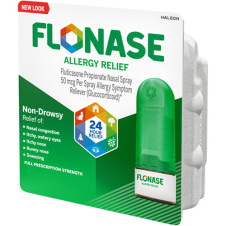
| Flonase | 0.00 € |
FAQ : Questions et réponses sur Médicaments contre la Miliaire Rouge en 2026
-
Est-il obligatoire de présenter une ordonnance pour acheter Médicaments contre la Miliaire Rouge ?
-
Est-il légal d’acheter Médicaments contre la Miliaire Rouge en France ?
-
Existe-t-il une option pour acheter Médicaments contre la Miliaire Rouge dans votre pharmacie en ligne ?
-
Quel est le coût de Médicaments contre la Miliaire Rouge ?
-
Quels moyens de paiement sont disponibles ?
-
Comment fonctionne votre service de livraison ?