


Medications for Auto-immune Conditions
Auto-immune diseases are chronic conditions where the immune system mistakenly attacks the body's own tissues, leading to inflammation and tissue damage. These conditions can affect various organs and systems, such as the joints, skin, thyroid, or intestines. Because they are often long-lasting and can impact daily life, effective management and treatment are essential. Early diagnosis and prompt treatment help control symptoms, prevent complications, and improve quality of life. Understanding the available medications and their proper use can make a significant difference in managing these complex conditions.
What is Auto-immune?
Auto-immune refers to a group of disorders characterized by an immune response that targets the body's own cells and tissues. These diseases are usually chronic, meaning they persist over time, and can affect different parts of the body depending on the specific condition. For example, rheumatoid arthritis primarily affects joints, while Hashimoto's thyroiditis impacts the thyroid gland. The prevalence varies, but auto-immune diseases are relatively common, especially among women. Rapid diagnosis and treatment are crucial to prevent irreversible tissue damage and to better control symptoms, ultimately enhancing patients' quality of life.
Definition and Main Characteristics of Auto-immune
Auto-immune diseases occur when the immune system, which normally protects the body from infections, mistakenly identifies its own tissues as threats and attacks them. Causes are multifactorial, involving genetic predisposition and environmental triggers such as infections, stress, or exposure to certain chemicals. These conditions tend to be chronic, often fluctuating between flare-ups and remission. They can vary in severity, from mild discomfort to disabling symptoms. Risk groups include genetically predisposed individuals, women, and those exposed to environmental factors. The progression depends on the specific disease, but early intervention can help manage symptoms effectively.
- Type of disease: Chronic, autoimmune response against specific tissues
- Evolution: Fluctuating with periods of flare-ups and remission
- Severity: Ranges from mild to severe
- Risk groups: Women, genetically predisposed individuals, environmental exposures
Diagnosis and When to Consult a Doctor
Diagnosing auto-immune diseases involves a combination of clinical evaluation, medical history, and laboratory tests. Healthcare providers look for characteristic symptoms and may order blood tests to detect specific auto-antibodies or markers of inflammation. Imaging studies can also assist in assessing tissue damage. It is important not to self-medicate, as only a healthcare professional can accurately diagnose and determine the severity of the disease. Early consultation with a specialist improves the chances of effective treatment and better disease control, reducing the risk of irreversible damage.
Tests and Diagnostic Methods for Auto-immune
Diagnosis typically involves blood tests such as auto-antibody panels (e.g., ANA, RF), inflammatory markers (e.g., ESR, CRP), and organ-specific tests. Physical examinations assess joint swelling, skin changes, or organ function. Imaging techniques like ultrasound, MRI, or X-rays may be used to evaluate tissue damage. In some cases, biopsies are performed to confirm diagnosis. These tests help distinguish auto-immune diseases from other conditions with similar symptoms, ensuring appropriate treatment is initiated promptly.
| Type of Test | Objective | Diagnostic Value |
|---|---|---|
| Blood auto-antibody panel | Detect specific auto-antibodies | High sensitivity for certain diseases like lupus or rheumatoid arthritis |
| Inflammatory markers (ESR, CRP) | Assess inflammation levels | Indicate active disease phases |
| Imaging studies | Visualize tissue or joint damage | Support clinical findings |
Signs Requiring Immediate Medical Attention
Severe or sudden symptoms such as chest pain, difficulty breathing, sudden weakness, vision loss, or high fever should prompt urgent medical evaluation. These signs may indicate serious complications like organ involvement or infections requiring prompt intervention. Delaying treatment in such cases can lead to irreversible damage or life-threatening situations. If any of these symptoms occur, seek emergency care immediately to prevent further health deterioration.
Causes and Risk Factors of Auto-immune
Auto-immune diseases result from a complex interplay of genetic, environmental, and lifestyle factors. Genetic predisposition plays a significant role, with certain gene variants increasing susceptibility. Environmental triggers such as infections, smoking, stress, and exposure to toxins can initiate or exacerbate the immune response. Age and hormonal factors, especially in women, also influence disease development. Understanding these factors helps in identifying at-risk populations and implementing preventive measures.
Factors Contributing to Auto-immune
Main factors include:
- Genetics: Family history and specific gene variants
- Environmental exposures: Infections, toxins, pollutants
- Lifestyle: Smoking, stress, diet
- Hormonal influences: Estrogen levels in women
| Risk Factor | Description | Probability |
|---|---|---|
| Genetic predisposition | Family history increases likelihood | Moderate to high |
| Infections | Trigger immune dysregulation | Variable |
| Smoking | Linked to increased risk | Moderate |
Recognizing these factors is essential for taking preventive actions and reducing the risk of developing auto-immune conditions.
Early Signs and Symptoms of Auto-immune
Initial symptoms are often nonspecific, including fatigue, joint pain, muscle weakness, skin rashes, or fever. These signs can resemble other illnesses, making early diagnosis challenging. Recognizing persistent or unusual symptoms early allows for timely medical evaluation and intervention. Over time, symptoms may worsen or involve additional organs, emphasizing the importance of early detection.
How to Recognize the First Signs
Common early symptoms include:
- Unexplained fatigue
- Joint stiffness or swelling
- Skin rashes or redness
- Persistent fever
These symptoms should prompt consultation with a healthcare provider, especially if they persist or worsen over weeks. A detailed assessment helps differentiate auto-immune diseases from other conditions with similar early signs.
| Type of Symptom | Frequency | Severity | Notes |
|---|---|---|---|
| Fatigue | Common | Mild to moderate | Often persistent and unexplained |
| Joint pain | Frequent | Variable | May resemble arthritis |
Types of Medications and Treatments
The management of auto-immune diseases involves various medications tailored to the specific condition and severity. Some treatments are available over-the-counter for mild symptoms, but most require prescription medications prescribed by a healthcare professional. The choice depends on disease activity, patient age, and overall health. Combining medications with lifestyle modifications often yields the best outcomes, always under medical supervision.
Medications for Auto-immune Treatment
Major drug groups used include:
- Non-steroidal anti-inflammatory drugs (NSAIDs): Reduce pain and inflammation, e.g., ibuprofen.
- Corticosteroids: Suppress immune response, e.g., prednisone.
- Immunosuppressants: Modulate immune activity, e.g., methotrexate, azathioprine.
- Biologic agents: Target specific immune pathways, e.g., infliximab, adalimumab.
| Type of Medication | Example Active Ingredient | Therapeutic Goal |
|---|---|---|
| NSAIDs | Ibuprofen | Relieve pain and reduce inflammation |
| Corticosteroids | Prednisone | Suppress immune activity during flare-ups |
| Immunosuppressants | Methotrexate | Control immune response over the long term |
Naturally-Based Remedies for Auto-immune
Complementary approaches may include dietary supplements like omega-3 fatty acids, turmeric, or probiotics, which may help reduce inflammation. Mindfulness, stress management, and gentle physical activity can also support overall well-being. However, these should only be used alongside prescribed treatments and under medical supervision, as they do not replace standard medical care.
Although these natural remedies can offer symptom relief, they are not substitutes for medical treatment prescribed by healthcare professionals.
Forms and Presentations: Tablets, Capsules, Gels
Medications for auto-immune conditions are commonly available in various forms, including tablets, capsules, injections, and topical preparations. Tablets and capsules are convenient for oral administration and often provide quick absorption. Gels and topical creams are used for localized symptoms, such as skin rashes or joint inflammation. Injections are reserved for biologic therapies or severe cases requiring rapid effect. Each form offers specific advantages depending on the treatment goal and patient needs.
Over-the-Counter (OTC) Medications
For mild symptoms, some OTC options like pain relievers (e.g., acetaminophen) or anti-inflammatory drugs can provide temporary relief. However, these should not replace prescribed treatments, especially if symptoms persist or worsen. Always consult a healthcare provider before using OTC medications for auto-immune symptoms, as they may mask underlying issues or interact with other drugs.
| When to Use | Type of OTC | Notes |
|---|---|---|
| Light pain or inflammation | Ibuprofen, acetaminophen | Short-term relief only |
| Persistent or worsening symptoms | See a doctor | Professional evaluation needed |
Precautions and Side Effects
Even medications considered safe can cause side effects, especially if misused or taken over long periods. Common adverse effects include gastrointestinal discomfort, weight gain, mood changes, or increased infection risk. Serious reactions like liver damage, allergic responses, or cardiovascular issues may occur in rare cases. Following the prescribed dosage and instructions reduces these risks. Particular caution is advised for children, pregnant women, older adults, and those with other chronic illnesses, who may be more vulnerable to side effects.
Most Common Side Effects
Minor side effects include nausea, headache, or mild skin irritation. Serious adverse effects such as allergic reactions, liver toxicity, or heart problems are less common but require immediate medical attention. Regular monitoring through blood tests and clinical assessments helps detect adverse reactions early, ensuring safe treatment continuation.
| Type of Effect | Frequency | Severity | Recommendations |
|---|---|---|---|
| Nausea, headache | Common | Mild | Monitor symptoms, adjust dose if needed |
| Allergic reactions | Rare | Severe | Seek emergency care immediately |
Tips for Safe Medication Use
To ensure safety, always follow the prescribed dosage, avoid mixing medications with alcohol unless approved, and store drugs in a cool, dry place. Regular medical check-ups are essential to monitor for side effects or interactions. Keep track of any new or worsening symptoms and report them promptly. Never stop or alter medication without consulting your healthcare provider, and always inform your doctor about other medications or supplements you are taking.
- Adhere strictly to prescribed doses
- Report adverse effects immediately
- Maintain regular medical follow-up
- Store medications safely and out of reach of children
Prevention and Daily Care
While auto-immune diseases cannot always be prevented, adopting a healthy lifestyle can reduce the risk or severity of flare-ups. Regular medical check-ups, a balanced diet, adequate rest, and stress management are key components. Early recognition of symptoms and prompt medical attention can help control disease progression and prevent complications. Tailoring prevention strategies to individual risk factors enhances overall health and disease management.
Recommended Habits to Reduce Auto-immune Risk
Healthy habits include:
- Eating a balanced diet rich in fruits, vegetables, and omega-3 fatty acids
- Engaging in regular, moderate exercise
- Maintaining good hygiene and avoiding infections
- Managing stress through relaxation techniques
- Getting sufficient sleep and avoiding tobacco and excessive alcohol
| Prevention Domain | Recommended Measures | Main Benefits |
|---|---|---|
| Diet | Healthy, anti-inflammatory foods | Reduces inflammation |
| Exercise | Regular physical activity | Enhances immune regulation |
| Stress management | Meditation, yoga, relaxation | Decreases immune dysregulation |
Additional Preventive Measures
Secondary prevention includes routine medical examinations, vaccinations where appropriate, and monitoring for early signs of disease activity. Supplementing with vitamins such as vitamin D may support immune health, but always under medical advice. Following your doctor's recommendations for screenings and preventive therapies can help maintain health and prevent disease progression, ultimately contributing to a better quality of life.
- Regular health screenings
- Vaccinations as recommended
- Monitoring and managing risk factors
Implementing these measures not only lowers the risk of developing auto-immune diseases but also promotes overall well-being and long-term health.
Prognosis and Recovery
The outlook for individuals with auto-immune diseases varies depending on the specific condition, its severity, and how early treatment begins. With appropriate management, many patients achieve good control of symptoms and maintain a normal quality of life. Adherence to treatment plans and lifestyle adjustments play a vital role in improving prognosis. Regular follow-up with healthcare providers ensures ongoing disease monitoring and optimal care.
Typical Recovery Time
The recovery period depends on the disease's extent and response to therapy. Mild cases may see symptom improvement within days to weeks, while more severe or chronic cases might require months of treatment and ongoing management. For example, acute flare-ups of conditions like lupus may resolve in a few weeks with proper therapy, whereas chronic diseases like rheumatoid arthritis often require lifelong treatment with gradual improvements over time.
| Type of Case | Average Recovery Duration | Comments |
|---|---|---|
| Mild flare-up | Few days to weeks | Usually responds well to treatment |
| Severe or chronic | Weeks to months | Requires ongoing management and monitoring |
Factors Improving Prognosis
Early diagnosis, strict adherence to treatment, and lifestyle modifications significantly enhance the chances of remission or disease control. Patients who actively participate in their care, avoid known triggers, and maintain regular medical follow-up tend to have better outcomes. The availability of advanced therapies and personalized medicine also contributes to improved prognosis in many auto-immune conditions.
- Early intervention
- Consistent treatment adherence
- Healthy lifestyle choices
- Regular medical monitoring
These factors greatly increase the likelihood of achieving remission and reduce the risk of long-term complications.
Lifestyle Changes for Better Outcomes
Adopting a healthy lifestyle is crucial for managing auto-immune diseases. Patients should focus on balanced nutrition, regular physical activity, stress reduction, and adequate sleep. Avoiding smoking, limiting alcohol intake, and managing emotional health can also influence disease activity positively. These habits support immune regulation and help prevent flare-ups, contributing to overall well-being.
Potential Complications
If not properly managed, auto-immune diseases can lead to serious complications such as joint deformities, organ failure, increased infection risk, or cardiovascular problems. Chronic inflammation may cause irreversible tissue damage, and some conditions can predispose to secondary illnesses. Preventing these outcomes depends on early diagnosis, effective treatment, and active patient participation. Regular monitoring and adherence to medical advice are essential to minimize risks.
| Complication | Frequency | Severity | Prevention |
|---|---|---|---|
| Joint deformities | Variable | Serious | Early treatment and disease control |
| Organ damage | Less common | Severe | Regular monitoring and medication adherence |
With proper treatment and ongoing care, most patients can achieve satisfactory disease control and avoid long-term complications.
Where to Buy Auto-immune Medications
Medications for auto-immune conditions are available both in physical pharmacies and online. It is essential to verify the licensing and reputation of the pharmacy to ensure medication quality and authenticity. Beware of counterfeit products, which can be ineffective or dangerous. All prescribed medications can be purchased through our authorized online pharmacy in France, ensuring safety and convenience.
Shop Safely in an Authorized Online Pharmacy
Buying from our licensed online pharmacy offers several advantages, including professional advice, guaranteed product quality, and secure transactions. Our platform ensures the authenticity of medications, proper packaging, and confidentiality. Before purchasing, check the pharmacy's license, examine the packaging for tampering, verify expiration dates, and consult a pharmacist if needed. These precautions help ensure safe and effective treatment.
Can You Buy Auto-immune Medications Online Without a Prescription?
In France, all medications for auto-immune diseases require a prescription; however, our online pharmacy provides a secure platform where you can purchase these medications with a valid prescription. We comply with legal regulations to ensure safe dispensing. Patients should always consult healthcare professionals for proper diagnosis and treatment planning before ordering medications online. Never attempt to buy prescription drugs without proper medical guidance, as misuse can lead to serious health risks.
- Obtain a valid prescription from a healthcare provider
- Ensure the pharmacy is licensed and reputable
- Verify medication authenticity and packaging
- Follow dosing and storage instructions carefully
Shipping Options and Quality Assurance
Our pharmacy offers various shipping methods, including standard, express, and international delivery, to meet your needs. Each shipment undergoes strict quality controls, such as lot traceability, temperature regulation, and secure packaging to maintain medication integrity. Tracking options are available for all orders, providing peace of mind. These measures ensure that your medications arrive safely and in optimal condition, adhering to high safety standards.
- Multiple delivery options for convenience
- Temperature control during transit
- Secure, discreet packaging
- Order tracking and customer support
Pricing, Availability, and Discounts in French Pharmacies
The cost of auto-immune medications in France varies depending on factors such as brand versus generic, dosage, form (tablets, injections), and whether a prescription is needed. Distribution channels, regional differences, and ongoing promotions also influence prices. Some formulations or dosages may be in limited supply or require special ordering, especially for newer or specialized drugs. Many pharmacies offer discounts, coupons, and loyalty programs, making treatment more affordable. Comparing prices between pharmacies and online platforms can help you find the best deals, and consulting your pharmacist about available alternatives or generic options can further reduce costs. If your medication has an unusual form or dosage, planning ahead ensures smooth procurement and treatment continuity.
| Produits en pharmacie | Prix |
|---|---|
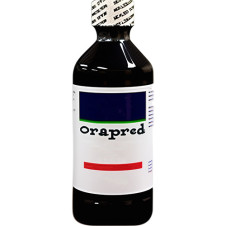
| Gouttes Orales Orapred | 0.00 € |
FAQ : Questions et réponses sur Médicaments pour les Maladies Auto-immunes en 2026
-
Est-il obligatoire de présenter une ordonnance pour acheter Médicaments pour les Maladies Auto-immunes ?
-
Est-il légal d’acheter Médicaments pour les Maladies Auto-immunes en France ?
-
Existe-t-il une option pour acheter Médicaments pour les Maladies Auto-immunes dans votre pharmacie en ligne ?
-
Quel est le coût de Médicaments pour les Maladies Auto-immunes ?
-
Quels moyens de paiement sont disponibles ?
-
Comment fonctionne votre service de livraison ?