


Medications for Hyperpigmentation: An Informative Overview
Hyperpigmentation is a common skin condition characterized by darkened patches or spots on the skin, resulting from excess melanin production. It can affect people of all ages and skin types, often caused by sun exposure, hormonal changes, or skin injuries. Timely diagnosis and appropriate treatment are essential to prevent worsening and to improve skin appearance, thereby boosting confidence and quality of life. Understanding the available medications and their proper use can help manage this condition effectively.
What Is Hyperpigmentation?
Hyperpigmentation refers to areas of skin that become darker than the surrounding tissue due to increased melanin. It primarily affects the skin's surface but can also involve deeper layers depending on the cause. This condition is usually chronic but can sometimes be temporary if related to hormonal fluctuations or inflammation. Early diagnosis is important because it allows for prompt treatment, which can prevent the dark spots from becoming more prominent or widespread. It is not contagious and often results from environmental or internal factors.
Definition and Main Characteristics of Hyperpigmentation
Hyperpigmentation is a skin disorder characterized by the development of darker patches or spots caused by an overproduction of melanin. Common causes include sun exposure, hormonal imbalances such as melasma, post-inflammatory changes after skin injuries, or certain medications. It tends to be a chronic condition that can vary in severity, from small freckles to large, irregular patches. Risk groups include individuals with darker skin tones, those exposed to excessive sunlight, pregnant women, and people with a genetic predisposition. The condition generally progresses slowly but can be managed effectively with proper treatment.
Diagnosis and When to See a Doctor
Diagnosing hyperpigmentation involves a clinical examination by a healthcare professional, often complemented by dermatoscopic evaluation or skin biopsy if needed. It is crucial not to self-medicate, as incorrect treatment may worsen the condition or mask underlying health issues. A specialist can determine the severity, identify the underlying cause, and prescribe the most suitable therapy. Early consultation improves treatment outcomes and helps prevent the spread or deepening of pigmentation.
Tests and Diagnostic Methods for Hyperpigmentation
Diagnosis typically begins with a visual skin assessment, followed by dermoscopy to examine pigmentation patterns more closely. In some cases, blood tests may be performed to rule out hormonal or systemic causes. Skin biopsy can be indicated if the diagnosis is uncertain or if other skin conditions need to be excluded. These methods help confirm hyperpigmentation and guide targeted treatment strategies.
| Type of Test | Objective | Diagnostic Value |
|---|---|---|
| Visual Examination | Identify pigmentation patterns | High for initial diagnosis |
| Dermoscopy | Detailed skin surface analysis | Enhanced accuracy |
| Blood Tests | Detect hormonal imbalances | Support systemic cause identification |
| Skin Biopsy | Histological examination | Confirm diagnosis, exclude other conditions |
Signs Requiring Immediate Medical Attention
Seek urgent medical care if you notice rapid changes in pigmentation, new or changing moles, skin lesions that bleed, or if pigmentation is accompanied by symptoms like pain, swelling, or systemic signs such as fever. These could indicate underlying conditions requiring prompt diagnosis and treatment. Delayed intervention might lead to complications or mask serious health issues such as skin cancer.
Causes and Risk Factors of Hyperpigmentation
Hyperpigmentation can result from various internal and external factors. Common causes include excessive sun exposure, hormonal changes during pregnancy or contraceptive use, skin injuries, or inflammation. Genetic predisposition also plays a role, especially in conditions like freckles or age spots. Environmental factors such as pollution and exposure to certain chemicals can exacerbate pigmentation. Lifestyle habits, like smoking or unprotected sunbathing, increase the risk. Age-related changes can also contribute, as melanin production tends to increase or become uneven over time.
Factors Contributing to Hyperpigmentation
These factors often act in combination, making hyperpigmentation a multifactorial condition. For example, hormonal fluctuations can stimulate melanin production, while sun exposure further darkens existing spots. External factors like skin trauma or inflammation can trigger post-inflammatory hyperpigmentation. Recognizing these causes helps in developing effective prevention and treatment strategies.
| Type of Factor | Example | Mechanism of Influence |
|---|---|---|
| Internal (Genetic) | Family history of freckles | Inherited predisposition to melanin overproduction |
| External (Environmental) | Sun exposure | Stimulates melanin synthesis in skin cells |
| Behavioral | Unprotected tanning | Increases UV damage and pigmentation |
| Physiological | Pregnancy hormones | Stimulate melanocyte activity, causing melasma |
Manifestation and Symptoms of Hyperpigmentation
Early signs include small, flat, darkened spots that may gradually enlarge or multiply. These patches are usually asymptomatic but can become more prominent with sun exposure. The appearance varies depending on the cause—freckles are small and uniform, while melasma presents as larger, symmetrical patches. Recognizing these initial symptoms allows for earlier intervention, which can prevent progression and improve treatment success.
Recognizing Early Signs of Hyperpigmentation
Initial symptoms often include small, brown or black spots on sun-exposed areas like the face, hands, or arms. These spots are usually painless and do not cause discomfort. They can be mistaken for age spots or freckles but tend to darken with sun exposure. Monitoring skin changes and consulting a dermatologist at the first sign of new or enlarging spots ensures timely management and reduces the risk of more extensive pigmentation.
Medications and Treatments for Hyperpigmentation
The treatment of hyperpigmentation depends on its severity, cause, and location. Over-the-counter products may be suitable for mild cases, but more persistent or severe pigmentation often requires prescription medications or professional procedures. Always consult a healthcare provider before starting any treatment to ensure safety and effectiveness. Proper diagnosis guides the choice of therapy, which may include topical agents, oral medications, or dermatological procedures.
Medications Used in Hyperpigmentation Treatment
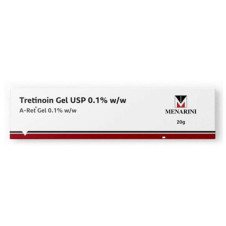
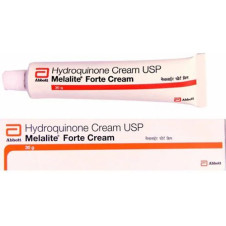
Several classes of medications are used to lighten hyperpigmented areas. These include depigmenting agents like hydroquinone, which inhibits melanin synthesis; retinoids such as tretinoin, which promote skin renewal; corticosteroids to reduce inflammation; and agents like azelaic acid and kojic acid with skin-lightening properties. The selection depends on the type and extent of pigmentation, with combination therapies often providing better results. For example, hydroquinone combined with tretinoin is a common prescription for stubborn spots.
| Type of Medication | Example of Active Ingredient | Therapeutic Goal |
|---|---|---|
| Depigmenting Agents | Hydroquinone | Inhibit melanin production |
| Retinoids | Tretinoin | Promote skin cell turnover |
| Corticosteroids | Hydrocortisone | Reduce inflammation and pigmentation |
| Antioxidants | Kojic acid, Azelaic acid | Lighten skin and inhibit melanin synthesis |
Natural Remedies for Hyperpigmentation
Some natural approaches may help reduce pigmentation or improve skin tone, but they should complement medical treatments rather than replace them. Examples include applying aloe vera gel, which has soothing and skin-lightening properties; using lemon juice, which contains natural acids; or applying turmeric masks, known for their anti-inflammatory effects. Consistent use and medical supervision are essential, as natural remedies may vary in effectiveness and could cause irritation in sensitive skin.
While these remedies can provide relief, they are not substitutes for prescribed treatments. Consulting a dermatologist before trying natural methods ensures safety and optimal results.
Forms and Presentations: Tablets, Capsules, Gels
Medications for hyperpigmentation are available in various forms, including topical creams, gels, tablets, capsules, and injections. Topical formulations like creams and gels are most common for localized treatment and are easy to apply. Oral medications, such as certain antioxidants or hormonal agents, are used in specific cases under medical supervision. Injectable treatments are less common and typically reserved for professional dermatological procedures. Each form offers advantages: topical products act directly on the skin, while oral medications can address systemic causes.
Over-the-Counter (OTC) Medications
For mild hyperpigmentation, OTC products containing ingredients like hydroquinone (at low concentrations), niacinamide, or alpha hydroxy acids may be effective. These options are generally safe for short-term use but require consistent application. It is important to follow instructions carefully and consult a healthcare professional if symptoms persist or worsen. OTC treatments are best suited for superficial spots and should be used with caution to avoid skin irritation or allergic reactions.
- Use only as directed
- Monitor skin response
- Seek medical advice if no improvement within a few weeks
Precautions and Side Effects
Even medications considered safe can cause side effects if misused. Common issues include skin irritation, redness, or allergic reactions, especially with potent agents like hydroquinone or retinoids. More serious effects, such as liver toxicity or hormonal disturbances, are rare but possible with systemic medications. Patients should always follow prescribed dosages, avoid combining treatments without medical guidance, and inform their doctor of any pre-existing conditions. Special caution is necessary for children, pregnant women, the elderly, or those with chronic illnesses.
Most Common Side Effects
Topical treatments may cause mild irritation, dryness, or redness, which usually resolve with continued use or dosage adjustment. Rarely, allergic reactions like swelling or rash can occur. Systemic medications might lead to nausea, liver enzyme alterations, or hormonal effects. Severe reactions require immediate medical attention. Regular monitoring and adherence to medical advice minimize risks and enhance treatment safety.
| Type of Effect | Frequency | Severity | Recommendations |
|---|---|---|---|
| Skin irritation | Common | Mild | Adjust application frequency or discontinue |
| Allergic reactions | Rare | Severe | Seek immediate medical help |
| Liver or hormonal effects | Very rare | Serious | Regular blood tests and medical supervision |
Safe Use Recommendations
To ensure safe medication use, always follow the prescribed dosage, avoid applying treatments on broken or irritated skin, and do not combine multiple products without professional guidance. Store medications in a cool, dry place away from children, and schedule regular follow-ups with your healthcare provider. Avoid exposure to direct sunlight during treatment and use sun protection measures diligently. If any adverse effects occur, consult your doctor promptly.
- Follow the prescribed regimen
- Use sun protection daily
- Report side effects immediately
- Keep medications out of reach of children
Prevention and Daily Care
Preventing hyperpigmentation involves adopting daily habits that protect the skin from damage and reduce melanin overproduction. Regular use of broad-spectrum sunscreen, avoiding excessive sun exposure, and wearing protective clothing are essential. Maintaining a healthy lifestyle, managing stress, and avoiding skin injuries can also help prevent new spots. Routine skin checks and early intervention at the first signs of pigmentation changes contribute significantly to effective management and better outcomes.
Recommended Habits to Reduce Hyperpigmentation Risk
Implementing simple lifestyle changes can make a difference. Use sunscreen with high SPF daily, even on cloudy days. Wear hats and protective clothing when outdoors. Maintain a balanced diet rich in antioxidants, stay hydrated, and avoid smoking or excessive alcohol consumption. Proper skincare routines, including gentle cleansing and moisturizing, help maintain skin health. Managing hormonal imbalances through medical consultation can also prevent pigmentation issues like melasma.
| Area of Prevention | Recommended Measures | Main Benefits |
|---|---|---|
| Sun Protection | Sunscreen, protective clothing | Prevents darkening of spots |
| Healthy Lifestyle | Balanced diet, no smoking | Supports skin regeneration |
| Skin Care | Gentle cleansing, moisturizing | Maintains skin barrier |
Additional Preventive Measures
Secondary prevention includes routine dermatological examinations, especially for high-risk individuals, and staying updated with vaccinations or treatments that support skin health. Regular monitoring allows early detection of new pigmentation or changes in existing spots. Following medical advice on vitamin supplementation or topical treatments can also help maintain skin clarity. These proactive steps reduce the likelihood of hyperpigmentation worsening or recurring, contributing to overall skin wellness.
Taking these preventive actions not only reduces the risk of hyperpigmentation but also promotes overall skin health and quality of life in the long term.
Prognosis and Recovery
The outlook for hyperpigmentation varies depending on its cause, severity, and how early treatment begins. With appropriate therapy, most cases see significant improvement or complete resolution. Adherence to medical advice and adopting a healthy lifestyle can accelerate recovery and prevent recurrences. Regular follow-up ensures that treatment remains effective and adjustments are made if necessary. Overall, early intervention and consistent care lead to favorable outcomes and healthier skin.
Typical Recovery Time
The recovery period depends on the extent of pigmentation and treatment type. Mild cases may improve within a few weeks, while more stubborn or extensive hyperpigmentation can take several months. For example, superficial spots may fade in 4-8 weeks with topical agents, whereas deeper or hormonal-related pigmentation might require 3-6 months of treatment. Chronic conditions often need ongoing maintenance to sustain results and prevent relapse.
| Type of Case | Average Recovery Duration | Comments |
|---|---|---|
| Superficial spots | 4-8 weeks | Good response with topical therapy |
| Deep or hormonal pigmentation | 3-6 months | Requires sustained treatment |
| Chronic hyperpigmentation | Variable, ongoing management | Regular follow-up needed |
Factors Enhancing Prognosis
- Early diagnosis and prompt treatment initiation
- Consistent use of prescribed medications and sun protection
- Adherence to lifestyle recommendations
- Regular dermatological monitoring
These factors significantly increase the chances of complete healing or remission and reduce the risk of recurrence.
Lifestyle Changes for Better Outcomes
Patients should adopt habits that support skin healing, such as avoiding excessive sun exposure, using protective clothing, maintaining good skincare routines, and managing hormonal health. A balanced diet rich in antioxidants and hydration also promotes skin regeneration. Avoiding smoking and limiting alcohol intake can further improve skin recovery. Consistent adherence to medical advice and preventive measures is key to achieving and maintaining optimal results.
Possible Complications
Without proper treatment, hyperpigmentation can lead to cosmetic concerns, psychological distress, or mask underlying health issues. In some cases, persistent pigmentation may cause social embarrassment or lowered self-esteem. Rarely, untreated pigmentation changes could be associated with skin cancers or systemic diseases. Early intervention and ongoing management are crucial to prevent these complications and ensure skin health.
| Complication | Frequency | Severity | Prevention |
|---|---|---|---|
| Persistent cosmetic concerns | Common | Mild to moderate | Early treatment and sun protection |
| Psychological impact | Possible | Variable | Psychological support, counseling |
| Underlying skin cancer | Rare | Serious | Regular skin checks, biopsy if needed |
With appropriate treatment and consistent care, most patients recover well and avoid long-term complications.
Where to Buy Medications for Hyperpigmentation
Medications for hyperpigmentation are widely available in pharmacies and through reputable online platforms. It is essential to verify the licensing and credibility of the pharmacy to ensure the quality and safety of the products. Beware of counterfeit medications, which can be ineffective or harmful. In our pharmacy in France, all treatments are available with proper authorization and quality assurance, ensuring safe access to effective therapies.
Shop Safely in a Licensed Online Pharmacy
Purchasing from an accredited online pharmacy offers several advantages, including professional advice, guaranteed product authenticity, and secure transactions. Our pharmacy provides detailed product information, secure payment options, and customer support. Always check for a valid license, examine packaging for tampering, verify expiration dates, and consult a pharmacist if you have any doubts. These precautions help ensure a safe and satisfactory shopping experience.
Can You Buy Hyperpigmentation Medications Online Without a Prescription?
Yes, in France, all medications for hyperpigmentation are available for purchase online without a prescription through our licensed pharmacy. However, it is strongly recommended to consult a healthcare professional before starting any treatment, especially for persistent or severe cases. Proper diagnosis ensures the selection of the most appropriate medication and minimizes risks. Always buy from trusted sources to avoid counterfeit products and ensure safety.
- Verify pharmacy licensing
- Check product authenticity
- Follow recommended dosages
- Consult a healthcare provider if unsure
Shipping Options and Quality Assurance
We offer various shipping methods, including standard, express, and international delivery, to meet your needs. All shipments are carefully tracked, with batch traceability and quality controls such as temperature regulation and secure packaging. Confidentiality is maintained throughout the process, and tracking information is provided to ensure peace of mind. These measures guarantee that your medications arrive safely and in optimal condition, maintaining their efficacy.
- Multiple shipping options
- Secure, discreet packaging
- Traceability and quality checks
- Reliable delivery timelines
Pricing, Availability, and Promotions in French Pharmacies
The cost of hyperpigmentation medications in France varies based on factors like brand versus generic, dosage, formulation (creams, capsules, gels), and whether a prescription is required. Distribution channels, regional differences, and ongoing promotions also influence prices. Some formulations may be in stock immediately, while others require ordering, with seasonal demand affecting availability. Pharmacies often offer discounts, coupons, and loyalty programs that can make treatments more affordable. Comparing prices between online and brick-and-mortar stores, and consulting your pharmacist about discounts or generic options, can help you find the most cost-effective solution for your needs.
| Produits en pharmacie | Prix |
|---|---|
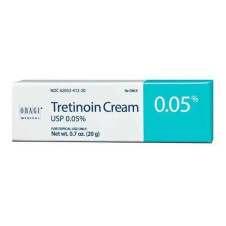
| Trétinoïne 0.05% Crème 20 g | 71.77 € |
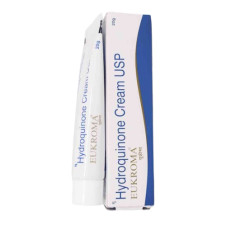
| Eukroma Crème -Hydroquinone 20 g | 72.64 € |
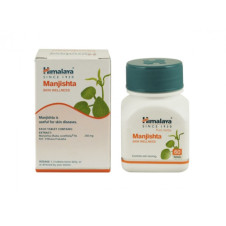
| Manjishtha 60 bottles | 77.02 € |
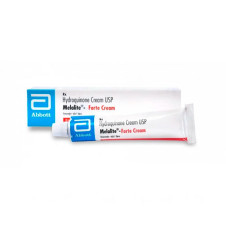
| Melalite Forte 4% Crème 30 g | 73.52 € |
| A-Ret | 0.00 € |
FAQ : Questions et réponses sur Médicaments contre l'Hyperpigmentation en 2026
-
Est-il obligatoire de présenter une ordonnance pour acheter Médicaments contre l'Hyperpigmentation ?
-
Est-il légal d’acheter Médicaments contre l'Hyperpigmentation en France ?
-
Existe-t-il une option pour acheter Médicaments contre l'Hyperpigmentation dans votre pharmacie en ligne ?
-
Quel est le coût de Médicaments contre l'Hyperpigmentation ?
-
Quels moyens de paiement sont disponibles ?
-
Comment fonctionne votre service de livraison ?
-
Top des produits populaires en pharmacie