


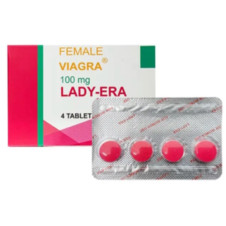
Medications for Excitation
Excitation is a condition characterized by heightened alertness, increased energy, or overstimulation of the nervous system. It can manifest in various ways, such as restlessness, rapid heartbeat, or difficulty relaxing. Addressing excitation promptly is important to prevent discomfort and potential health complications. Effective treatment options are available, and early intervention can significantly improve quality of life by reducing symptoms and restoring balance to the nervous system.
What is Excitation?
Excitation refers to a state where the nervous system becomes overly active, leading to feelings of restlessness, anxiety, or hyperactivity. It can affect individuals of all ages but is often more noticeable in those experiencing stress, fatigue, or certain medical conditions. This condition can be acute, occurring suddenly, or chronic, persisting over time. Diagnosing and treating excitation quickly is crucial to prevent it from escalating into more serious health issues, such as panic attacks or cardiovascular problems.
Definition and Main Characteristics of Excitation
Excitation is a physiological or psychological state marked by increased activity in the nervous system. Causes include stress, stimulant use, sleep deprivation, or underlying health conditions. It can evolve from mild to severe, impacting daily functioning. Key features include heightened alertness, rapid speech, increased heart rate, and difficulty calming down. Groups at higher risk include individuals with anxiety disorders, those under significant stress, or people exposed to stimulants. The condition may be temporary or require ongoing management depending on its severity.
Diagnosis and When to Consult a Doctor
Proper diagnosis of excitation involves a thorough medical history review and physical examination by a healthcare professional. Doctors may use questionnaires, vital sign measurements, and sometimes laboratory tests to rule out underlying causes. It is important not to self-medicate, as inappropriate treatment can worsen symptoms or hide serious conditions. Early consultation with a healthcare provider ensures accurate diagnosis and effective management, especially if symptoms persist or worsen.
Tests and Diagnostic Methods for Excitation
Diagnosis typically involves clinical evaluation, including checking heart rate, blood pressure, and neurological responses. Blood tests may be ordered to identify infections, hormonal imbalances, or substance use. In some cases, electrocardiograms (ECGs) are performed to assess heart activity, especially if cardiovascular involvement is suspected. Imaging studies are rarely necessary but may be used if structural brain or systemic issues are suspected. These methods help confirm the diagnosis and guide appropriate treatment.
| Type of Test | Objective | Diagnostic Value |
|---|---|---|
| Physical Examination | Assess vital signs and neurological status | Initial indication of excitation symptoms |
| Blood Tests | Identify infections, hormonal or metabolic causes | Detect underlying systemic issues |
| Electrocardiogram (ECG) | Evaluate heart rhythm and function | Detect arrhythmias or cardiac stress |
Signs Requiring Immediate Medical Attention
If symptoms such as chest pain, severe shortness of breath, sudden weakness, loss of consciousness, or intense anxiety occur, urgent medical care is necessary. These signs may indicate serious conditions like heart attack, stroke, or severe panic attacks. Delaying treatment can lead to complications, so prompt action is essential to ensure safety and effective management.
Causes and Risk Factors of Excitation
Excitation can result from various internal and external factors. Common causes include excessive caffeine or stimulant intake, stress, sleep deprivation, certain medications, or underlying health issues like hyperthyroidism. Environmental factors such as high noise levels or stressful situations also contribute. Genetic predispositions may make some individuals more sensitive to stimuli, increasing their risk. Understanding these factors helps in developing preventive strategies to reduce the likelihood of excitation episodes.
| Risk | Description | Probability |
|---|---|---|
| Stimulant Use | Caffeine, nicotine, or recreational drugs increase nervous activity | High |
| Stress | Chronic or acute stress triggers nervous system overactivity | Moderate |
| Sleep Deprivation | Lack of rest impairs nervous regulation | High |
Factors Contributing to Excitation
Multiple factors can cause or worsen excitation, including internal elements like genetic predispositions, hormonal imbalances, or neurological sensitivities. External influences such as caffeine consumption, stress, environmental noise, or certain medications also play a role. Often, these causes interact, leading to more pronounced symptoms. Recognizing these contributors is vital for implementing preventive measures and reducing the risk of episodes.
Understanding the multifactorial nature of excitation emphasizes the importance of lifestyle modifications and medical management to control symptoms effectively.
Recognizing Early Signs of Excitation
Early symptoms often include restlessness, rapid heartbeat, sweating, or difficulty concentrating. These signs can resemble other conditions like anxiety or hyperthyroidism but tend to appear suddenly or after exposure to triggers. Identifying these initial indicators allows for prompt intervention, which can prevent escalation. Monitoring these signs is especially important for individuals with a history of nervous system sensitivities or stress-related disorders.
| Type of Symptom | Frequency | Severity Estimate | Notes |
|---|---|---|---|
| Restlessness | Common | Light to moderate | Often the first sign |
| Rapid Heartbeat | Frequent | Moderate to severe | May be alarming but benign in many cases |
| Difficulty Sleeping | Variable | Moderate | Often worsens with ongoing excitation |
Types of Medications and Treatments
Treatment of excitation depends on its severity and underlying causes. Mild cases may benefit from lifestyle changes or over-the-counter remedies, while more intense symptoms often require prescription medications. Always consult a healthcare professional before starting any treatment, as the choice depends on individual health status, age, and specific symptoms. Proper management can help restore calmness and prevent complications.
Medications for Excitation
Several classes of drugs are used to manage excitation, including sedatives, anxiolytics, and beta-blockers. Benzodiazepines, such as diazepam, are common for rapid relief of acute symptoms, providing calming effects. Antidepressants or antipsychotics may be prescribed for chronic or severe cases. Stimulant medications are generally avoided unless treating specific conditions like ADHD. The goal is to balance nervous activity without causing excessive sedation or other adverse effects.
| Type of Medication | Example of Active Substance | Therapeutic Goal |
|---|---|---|
| Sedatives/Anxiolytics | Diazepam, lorazepam | Rapid calming of acute symptoms |
| Beta-Blockers | Propranolol | Reduce physical symptoms like rapid heartbeat |
| Antidepressants | Sertraline, fluoxetine | Manage underlying anxiety or mood disorders |
Natural Remedies for Excitation
Complementary approaches include herbal teas like chamomile or valerian, which have calming properties. Mindfulness meditation and deep breathing exercises can help reduce nervous tension. Regular physical activity, such as yoga or walking, also promotes relaxation. Aromatherapy with essential oils like lavender may provide additional soothing effects. These methods should be used alongside medical treatment and under professional guidance to ensure safety and effectiveness.
While these natural remedies can help alleviate symptoms, they are not substitutes for prescribed medications when needed.
Forms and Presentations: Tablets, Capsules, Gels
Medications for excitation are commonly available in various forms, including tablets, capsules, liquids, gels, and injections. Tablets and capsules are convenient for oral administration and often have a rapid onset of action. Gels or topical formulations are used for localized relief, especially in cases involving skin or mucous membranes. Injections are reserved for severe cases requiring immediate intervention, such as in emergency settings. The choice of form depends on the severity of symptoms, patient preference, and the required speed of action.
Over-the-Counter (OTC) Medications
For mild symptoms, some OTC options may provide relief, such as herbal supplements or mild sedatives. Products containing valerian root, passionflower, or melatonin can promote relaxation and improve sleep. However, these should only be used temporarily and with caution. If symptoms persist or worsen, consulting a healthcare professional is essential to avoid masking underlying issues or causing adverse interactions. These options are not substitutes for prescribed medications in more severe cases.
Precautions and Side Effects
Even medications considered safe can cause side effects, especially if misused or taken inappropriately. Common adverse effects include drowsiness, dizziness, dry mouth, or gastrointestinal discomfort. Rare but serious reactions such as allergic responses or liver problems may occur. Patients with certain conditions, such as pregnancy, elderly age, or chronic illnesses, should exercise extra caution and consult their doctor before use. Following prescribed dosages and instructions minimizes risks and ensures safe treatment.
Most Common Side Effects
Common side effects include mild drowsiness, fatigue, or gastrointestinal upset. Serious effects like allergic reactions, liver toxicity, or cardiac issues are rare but require immediate medical attention. The risk of adverse effects increases with higher doses or prolonged use. Monitoring for symptoms and regular medical check-ups help prevent complications and ensure safe medication use.
| Type of Effect | Frequency | Severity | Recommendations |
|---|---|---|---|
| Drowsiness | Common | Light to moderate | Avoid driving or operating machinery |
| Allergic Reactions | Rare | Severe | Seek immediate medical help |
| Liver Toxicity | Very rare | Severe | Regular liver function tests if on long-term therapy |
Safe Medication Use Tips
- Follow the prescribed dosage and timing strictly
- Do not mix medications with alcohol or certain foods unless approved
- Store medicines in a cool, dry place away from children
- Report any side effects or unusual symptoms to your healthcare provider promptly
- Attend regular check-ups to monitor treatment effectiveness and safety
Responsible medication use and ongoing medical supervision are essential to achieve the best outcomes and minimize risks.
Prevention and Daily Care
Implementing healthy daily habits and preventive measures can significantly reduce the risk of excitation episodes. Regular medical check-ups, stress management techniques, and maintaining a balanced lifestyle contribute to overall nervous system stability. Recognizing early signs and responding promptly can prevent escalation. Tailoring prevention strategies to individual health conditions enhances their effectiveness and supports long-term well-being.
Recommended Habits to Reduce Excitation Risk
Adopt a balanced diet rich in fruits, vegetables, and whole grains; engage in regular physical activity like walking or yoga; ensure adequate sleep each night; practice relaxation techniques such as meditation or deep breathing; and limit stimulant intake like caffeine and nicotine. Managing stress through hobbies or social interactions also plays a crucial role. These lifestyle modifications help maintain nervous system balance and prevent overactivation.
| Prevention Domain | Recommended Measures | Main Benefits |
|---|---|---|
| Diet | Eat balanced meals, limit caffeine | Reduce nervous overstimulation |
| Exercise | Regular physical activity | Improve stress resilience |
| Stress Management | Meditation, hobbies, social support | Lower anxiety levels |
Additional Preventive Measures
Secondary prevention includes routine health assessments, vaccinations where applicable, and adherence to prescribed treatments for underlying conditions. Monitoring lifestyle factors and avoiding known triggers further decreases excitation risk. Following medical advice and making proactive health choices contribute to overall well-being and reduce recurrence.
Taking these preventive steps not only diminishes the chance of excitation episodes but also supports general health and quality of life over the long term.
Prognosis and Recovery
The outlook for individuals with excitation varies depending on its cause, severity, and how early treatment begins. With appropriate management, most patients experience significant symptom relief and return to normal functioning. Adherence to treatment plans and lifestyle adjustments accelerate recovery and prevent future episodes. Regular follow-up with healthcare providers ensures ongoing stability and health maintenance.
Typical Recovery Time
The recovery period for excitation depends on its severity. Mild cases often resolve within a few days with simple interventions, while more intense episodes may take several weeks. Chronic conditions require ongoing management and monitoring. For example, minor episodes may improve in 2-3 days, whereas severe or persistent cases might need 4-6 weeks or longer, especially if underlying issues are involved.
| Type of Case | Average Recovery Duration | Comments |
|---|---|---|
| Mild | 2-3 days | Usually resolves with minimal intervention |
| Moderate | 1-3 weeks | Requires medical supervision |
| Severe/Chronic | Several weeks to months | Needs ongoing treatment and lifestyle adjustments |
Factors Improving Prognosis
- Early diagnosis and prompt treatment initiation
- Adherence to prescribed medication and lifestyle recommendations
- Effective stress management and healthy habits
- Regular medical follow-up and monitoring
These factors significantly enhance the chances of full recovery and reduce the likelihood of recurrence.
Lifestyle Changes for Better Outcomes
The recovery of excitation also depends on adopting healthier daily routines. Patients are advised to maintain a balanced diet, engage in regular physical activity, manage stress effectively, and ensure sufficient sleep. Avoiding stimulants and substances that can trigger overactivity is crucial. Implementing these habits supports neurological stability and helps prevent future episodes, contributing to overall health improvement.
Potential Complications
If left untreated or poorly managed, excitation can lead to complications such as chronic anxiety, sleep disturbances, cardiovascular stress, or mental health disorders. In extreme cases, it may precipitate panic attacks or exacerbate existing health conditions. Preventing these outcomes requires timely medical intervention and active patient participation in treatment plans.
| Complication | Frequency | Severity | Prevention |
|---|---|---|---|
| Chronic Anxiety | Common | Moderate to severe | Proper management of excitation episodes |
| Cardiovascular Issues | Less common | Severe | Controlling physical symptoms and underlying causes |
| Mental Health Disorders | Possible | Variable | Addressing stress and emotional triggers early |
With appropriate treatment and ongoing care, most patients recover well and avoid long-term complications.
Where to Buy Medications for Excitation
Medications to manage excitation are widely available in pharmacies and online stores. It is essential to verify the licensing and reputation of the pharmacy to ensure the quality and authenticity of the products. Avoid purchasing from unverified sources to prevent counterfeit medications. All medications for excitation are available through our licensed online pharmacy in France, ensuring safety and compliance with regulations.
Shop Safely at a Licensed Online Pharmacy
Buying from our authorized online pharmacy offers several advantages, including professional advice, guaranteed product quality, and secure transactions. We verify the authenticity of all medications, provide discreet packaging, and facilitate easy returns if necessary. Before purchasing, check the pharmacy’s license, examine the packaging for tampering, verify expiration dates, and consult our pharmacists for guidance. These precautions help ensure a safe and satisfactory shopping experience.
Can You Purchase Excitation Medications Online Without a Prescription?
In France, all medications for excitation can be purchased online without a prescription through our pharmacy, provided they are classified as over-the-counter (OTC) or approved for non-prescription sale. However, it is strongly recommended to consult a healthcare professional before use, especially for potent or long-term medications. Buying online requires attention to safety, authenticity, and proper usage to avoid adverse effects or interactions. Always ensure that the online pharmacy complies with legal regulations and maintains high standards of quality.
- Verify the pharmacy’s license and credentials
- Check for secure payment options
- Ensure clear product descriptions and authenticity guarantees
- Consult a pharmacist if in doubt about medication suitability
Shipping Options and Quality Assurance
Our pharmacy offers various shipping methods, including standard, express, and international delivery, to meet your needs. We implement strict quality control measures, such as lot traceability, temperature regulation during transit, and discreet packaging to protect your privacy. Tracking your order ensures transparency and peace of mind. These measures guarantee that your medications arrive safely, intact, and ready for use, maintaining their efficacy and safety.
Pricing, Availability, and Discounts in French Pharmacies
The cost of excitation medications in France varies based on factors like brand versus generic, dosage, form (tablets, capsules, liquids), and whether a prescription is required. Distribution channels, regional differences, and ongoing promotions also influence prices. Some forms or dosages may be in stock immediately, while others require special ordering. Many pharmacies offer discounts, coupons, or loyalty programs that can reduce costs. Comparing prices between pharmacies and online shops helps find the best deals. Patients are encouraged to inquire about generic alternatives and current promotions to optimize their budget and access effective treatments promptly.
| Produits en pharmacie | Prix |
|---|---|
| Viagra Féminine 50/100 mg comprimés | 35.88 € |
FAQ : Questions et réponses sur Médicaments contre l'Excitation en 2026
-
Est-il obligatoire de présenter une ordonnance pour acheter Médicaments contre l'Excitation ?
-
Est-il légal d’acheter Médicaments contre l'Excitation en France ?
-
Existe-t-il une option pour acheter Médicaments contre l'Excitation dans votre pharmacie en ligne ?
-
Quel est le coût de Médicaments contre l'Excitation ?
-
Quels moyens de paiement sont disponibles ?
-
Comment fonctionne votre service de livraison ?
-
Top des produits populaires en pharmacie