


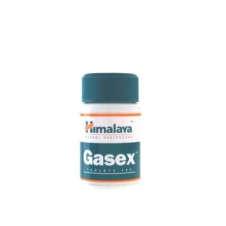
Medications for Relieving Burping (Rots)
Burping, also known as eructation, is a common digestive phenomenon that can sometimes become bothersome or indicate underlying health issues. While occasional burping is normal, frequent or excessive burping may require treatment to improve comfort and prevent complications. Effective management depends on understanding the causes and choosing appropriate medications, which can range from over-the-counter remedies to prescription drugs. Early diagnosis and proper treatment can help control symptoms and enhance quality of life, especially when burping is linked to digestive disorders or other health conditions.
What is Burping (Rots)?
Burping is the act of releasing gas from the stomach through the mouth. It involves the gastrointestinal system, specifically the stomach and esophagus, and is usually a normal response to swallowing air or digestion. In most cases, burping occurs occasionally and is harmless, but when it becomes frequent or persistent, it may signal underlying issues such as acid reflux, gastritis, or other digestive disturbances. Rapid diagnosis and treatment are important to prevent discomfort and address any potential health problems effectively. Understanding the nature of burping helps in selecting the right management strategies and improving daily comfort.
Definition and Main Characteristics of Burping
Burping is the expulsion of excess air or gas from the stomach through the mouth, often accompanied by a sound or sensation of fullness. Causes include swallowing air during eating or drinking, carbonated beverages, certain foods, or digestive conditions like gastroesophageal reflux disease (GERD). It can be acute, occurring suddenly and temporarily, or chronic if it persists over weeks or months. The severity varies from mild discomfort to frequent episodes that interfere with daily life. Risk groups include individuals with digestive disorders, those who smoke or chew gum excessively, and people with certain dietary habits. Recognizing these features helps in timely management and reduces the risk of complications.
Diagnosis and When to See a Doctor
Diagnosing the cause of frequent burping involves a medical consultation where the doctor reviews symptoms, medical history, and lifestyle factors. Physical examinations may be complemented by tests such as endoscopy, pH monitoring, or imaging studies to identify underlying conditions like reflux or gastritis. It is crucial not to self-medicate, as inappropriate treatment can mask serious issues or worsen symptoms. A healthcare professional can determine the severity of the condition and prescribe suitable therapy. Early diagnosis facilitates more effective treatment and prevents potential complications, ensuring better health outcomes.
Tests and Diagnostic Methods for Burping
Common diagnostic approaches include physical examination, review of symptom history, and laboratory tests such as blood work to detect infections or inflammation. Instrumental procedures like upper endoscopy allow direct visualization of the esophagus and stomach, helping identify abnormalities. pH monitoring measures acid levels to diagnose reflux, while imaging techniques like X-rays or ultrasound assess anatomical issues. These methods provide valuable information for accurate diagnosis and tailored treatment plans, improving patient outcomes.
Signs Requiring Urgent Medical Attention
While burping is often benign, certain symptoms warrant immediate medical evaluation. These include severe chest pain, difficulty swallowing, vomiting blood, unexplained weight loss, or persistent vomiting. Sudden worsening of symptoms or associated shortness of breath may indicate serious conditions such as heart problems or gastrointestinal bleeding. Delaying medical care in these situations can lead to complications. Recognizing these warning signs ensures prompt intervention and reduces health risks.
Causes and Risk Factors of Burping
Frequent burping can result from various internal and external factors. Common causes include swallowing air during eating or drinking, consuming carbonated drinks, eating fatty or spicy foods, and gastrointestinal conditions like GERD, gastritis, or Helicobacter pylori infection. External factors such as smoking, stress, and certain medications can also contribute. Age-related changes in digestion and lifestyle habits further influence burping frequency. Recognizing these causes enables targeted prevention and management strategies.
Factors Contributing to Burping
Several internal and external factors can lead to increased burping. Internally, genetic predispositions or digestive system sensitivities play a role, while externally, habits like smoking, rapid eating, or consuming fizzy drinks are significant contributors. Stress and certain medications may also impair digestion, increasing gas production. Often, multiple factors combine to exacerbate symptoms, making comprehensive lifestyle adjustments essential for effective control. Recognizing these factors helps in developing personalized prevention plans.
| Risk Factor | Description | Probability |
|---|---|---|
| Swallowing Air | During eating, drinking, or smoking, leading to excess gas in the stomach. | High |
| Diet | Consumption of carbonated beverages, fatty, spicy, or gas-producing foods. | High |
| Gastrointestinal Disorders | Conditions like GERD, gastritis, or H. pylori infection. | Moderate to High |
| Stress | Can affect digestion and increase gas production. | Moderate |
| Smoking | Increases swallowed air and affects digestive health. | Moderate |
Recognizing Early Symptoms of Burping
Initial signs of frequent burping include a sensation of fullness, mild abdominal discomfort, and the release of gas shortly after meals or drinks. These symptoms are often temporary and can be mistaken for normal digestion. However, persistent or worsening symptoms may indicate underlying issues such as reflux or gastritis. Early recognition allows for prompt intervention, reducing discomfort and preventing progression. Being attentive to these signs helps in seeking timely medical advice and choosing appropriate treatments.
How to Recognize the First Signs of Burping
Early symptoms typically involve frequent, loud, or uncomfortable burping episodes, often accompanied by a feeling of bloating or indigestion. These signs usually occur after meals or when consuming specific foods or drinks. Differentiating benign burping from symptoms of more serious conditions involves noting the frequency, duration, and associated discomfort. If burping is accompanied by chest pain, difficulty swallowing, or persistent nausea, medical consultation is advised promptly. Recognizing these early indicators ensures better management and relief.
| Type of Symptom | Frequency | Severity | Comments |
|---|---|---|---|
| Frequent burping | Daily | Moderate to severe | May indicate underlying digestive issues |
| Accompanying chest pain | Occasional | Severe | Requires urgent evaluation |
| Persistent nausea | Weekly | Moderate | Could signal gastritis or reflux |
Types of Medications and Treatments
Managing burping effectively depends on identifying its cause and selecting appropriate medications. Mild cases may respond well to over-the-counter remedies, while more persistent or severe cases might require prescription drugs. The choice of treatment depends on factors such as age, overall health, and the severity of symptoms. Always consult a healthcare professional before starting any medication to ensure safety and appropriateness. Proper treatment can significantly reduce discomfort and prevent complications associated with underlying conditions.
Medications for Treating Burping
Several classes of medications are used to alleviate burping, including antacids, anti-gas agents, and medications that reduce stomach acid. Antacids like magnesium hydroxide or calcium carbonate neutralize stomach acid and provide quick relief. Simethicone is an anti-gas agent that helps break down gas bubbles, easing bloating and belching. Proton pump inhibitors (PPIs) such as omeprazole decrease acid production, beneficial in cases of reflux or gastritis. The selection depends on the underlying cause, with some medications available over the counter and others requiring a prescription.
| Type of Medication | Example of Active Ingredient | Therapeutic Goal |
|---|---|---|
| Antacids | Calcium carbonate, magnesium hydroxide | Neutralize stomach acid, relieve indigestion |
| Anti-gas agents | Simethicone | Break down gas bubbles, reduce bloating |
| Proton pump inhibitors | Omeprazole, esomeprazole | Reduce acid secretion, treat reflux |
| H2 receptor antagonists | Ranitidine, famotidine | Decrease acid production |
Natural Remedies for Burping
Complementary approaches can help alleviate symptoms naturally. Drinking herbal teas such as ginger, peppermint, or chamomile may soothe the digestive tract. Chewing fennel seeds or taking a small amount of apple cider vinegar diluted in water can aid digestion and reduce gas. Maintaining a diet rich in fiber and avoiding gas-producing foods also contributes to symptom relief. However, these methods should be used alongside medical advice and not as sole treatments, especially in persistent cases.
Forms and Presentations: Tablets, Capsules, Liquids
Medications for burping are commonly available in various forms, including tablets, capsules, liquids, and powders. Tablets and capsules are convenient and often provide rapid or sustained release of active ingredients. Liquids, such as syrups or suspensions, are suitable for individuals who have difficulty swallowing pills, including children or elderly patients. Each form offers specific advantages: tablets are portable and have longer shelf lives, while liquids allow for flexible dosing. The choice depends on patient preference, age, and the severity of symptoms.
Over-the-Counter (OTC) Medications
Many mild burping symptoms can be managed with OTC products like antacids and anti-gas agents. These medications are generally safe when used as directed and can provide quick relief. Examples include calcium carbonate tablets for indigestion and simethicone capsules for gas relief. However, if symptoms persist beyond a few days or worsen, consulting a healthcare provider is essential. OTC options are suitable for temporary relief but should not replace professional diagnosis for ongoing issues.
Precautions and Side Effects
Even commonly used medications can cause side effects, especially if misused or taken over long periods. It is important to follow the prescribed dosage and instructions carefully. Monitoring for adverse reactions such as allergic responses, gastrointestinal discomfort, or interactions with other medicines is crucial. Particular caution is advised for vulnerable groups like children, pregnant women, the elderly, or those with chronic illnesses. Regular medical supervision helps minimize risks and ensures safe, effective treatment.
Most Common Side Effects
Common mild side effects include nausea, headache, or mild stomach upset. More serious reactions, though rare, can involve allergic skin reactions, liver problems, or cardiovascular issues, especially with certain medications like PPIs. Allergic responses may manifest as rash, swelling, or difficulty breathing. Severe side effects require immediate medical attention. Awareness of these potential effects enables prompt action and safer medication use.
Tips for Safe Medication Use
- Always adhere to the prescribed dosage and schedule.
- Avoid combining medications with alcohol or certain foods unless approved by a healthcare professional.
- Store medicines in a cool, dry place away from children.
- Regularly review your medications with your doctor or pharmacist.
- Report any unusual or severe side effects promptly.
Prevention and Daily Care
Implementing healthy habits can significantly reduce the risk of frequent burping. Eating slowly, avoiding carbonated drinks, and limiting fatty or spicy foods help minimize gas production. Maintaining a balanced diet, staying physically active, and managing stress contribute to better digestion. Regular medical check-ups can detect early signs of digestive issues, allowing for timely intervention. Personalized advice based on age, health status, and lifestyle enhances prevention efforts and promotes overall well-being.
Recommended Habits to Reduce Burping Risk
Adopt the following daily habits:
- Eat slowly and chew thoroughly to prevent swallowing excess air.
- Avoid fizzy drinks and gas-producing foods like beans, cabbage, and onions.
- Practice stress-reducing techniques such as meditation or deep breathing.
- Exercise regularly to promote healthy digestion.
- Quit smoking and limit alcohol intake.
Additional Preventive Measures
Secondary prevention includes routine medical examinations, especially if symptoms recur frequently. Vaccinations, such as for Helicobacter pylori, may be recommended in certain cases. Using prescribed medications as a preventive measure or supplementing with vitamins can support digestive health. Following your healthcare provider’s advice and adhering to treatment plans are key to reducing the risk of persistent or worsening symptoms. These proactive steps contribute to overall health and quality of life.
Prognosis and Recovery
The outlook for individuals with burping depends on the underlying cause, the stage of the condition, and how promptly treatment begins. Most cases respond well to appropriate therapy, with symptoms improving significantly. Adhering to medical advice and adopting a healthy lifestyle can accelerate recovery and prevent recurrence. Early intervention often results in a favorable prognosis, reducing the risk of complications and enhancing daily comfort.
Typical Recovery Time
The recovery period varies based on severity. Mild cases may resolve within a few days with simple lifestyle changes and over-the-counter remedies. Moderate to severe cases, especially those involving underlying conditions like reflux, may take several weeks of treatment. Chronic issues require ongoing management and regular follow-up. In general, quick response to symptoms leads to faster relief and better long-term outcomes.
| Type of Case | Average Recovery Time | Comments |
|---|---|---|
| Acute, mild burping | Few days to 1 week | Usually resolves with lifestyle adjustments |
| Persistent or severe burping | Several weeks to months | May require ongoing treatment and monitoring |
| Chronic digestive issues | Variable, often long-term | Requires continuous management |
Factors Enhancing Prognosis
Good prognosis is associated with early diagnosis, adherence to treatment, and lifestyle modifications. Maintaining a healthy diet, avoiding known triggers, and managing stress improve outcomes. Regular medical follow-up ensures that underlying conditions are controlled effectively. Patients who actively participate in their care and follow medical advice have higher chances of complete recovery or remission. These factors significantly reduce the likelihood of recurrence and long-term complications.
Lifestyle Changes for Better Outcomes
Recovery and prevention are supported by adopting healthier habits. Patients should:
- Eat smaller, more frequent meals.
- Avoid foods and drinks that cause gas or reflux.
- Maintain a healthy weight through diet and exercise.
- Manage stress with relaxation techniques.
- Stop smoking and limit alcohol consumption.
Potential Complications
If left untreated or poorly managed, burping related to underlying conditions can lead to complications such as esophageal ulcers, strictures, or respiratory issues due to aspiration. Chronic reflux may cause damage to the esophageal lining, increasing the risk of Barrett’s esophagus or even esophageal cancer. Additionally, persistent discomfort can affect mental health and daily functioning. Early treatment and lifestyle adjustments are essential to prevent these adverse outcomes. Proper management minimizes the risk and promotes long-term health.
| Complication | Frequency | Severity | Prevention |
|---|---|---|---|
| Esophageal ulcers | Rare | Serious | Effective acid suppression, early treatment |
| Strictures or narrowing of the esophagus | Rare | Moderate to severe | Timely management of reflux |
| Esophageal cancer | Very rare | Severe | Monitoring and treating chronic reflux |
With appropriate treatment and ongoing care, most patients with burping can recover well and avoid long-term complications, leading to improved comfort and health.
Where to Buy Medications for Burping
Medications for burping are widely available in pharmacies and online stores. It is important to verify the legitimacy of the pharmacy and ensure the quality of the medicines purchased, avoiding counterfeit products. Our pharmacy in France offers a wide range of medications for burping, all available with a valid prescription or over-the-counter, depending on the product. Buying from reputable sources guarantees safety and efficacy, providing peace of mind for consumers. Always check the authenticity of the seller and the product before purchase.
Shop Safely at an Authorized Online Pharmacy
Shopping at our licensed online pharmacy offers numerous advantages, including professional advice, guaranteed product quality, and secure transactions. We ensure the authenticity of all medicines, proper packaging, and discreet delivery. Customers can benefit from detailed product information, easy return policies, and expert support. To ensure a safe purchase, verify the pharmacy’s license, check the packaging for tampering, confirm the expiration date, and consult our pharmacists if needed. These precautions help protect your health and ensure effective treatment.
Can You Purchase Medications Online Without a Prescription?
In France, all medications for burping, including over-the-counter options, can be purchased online without a prescription through our pharmacy. This includes antacids, anti-gas agents, and other symptomatic treatments. However, it remains important to use these medicines responsibly, follow dosing instructions, and seek medical advice if symptoms persist or worsen. Buying online provides convenience and access to a wide range of products, but always prioritize safety and proper usage to avoid complications.
- Verify the pharmacy’s licensing and reputation.
- Check product authenticity and expiration date.
- Follow recommended dosages and usage instructions.
- Consult a pharmacist if uncertain about the medication.
- Avoid purchasing from unverified or unlicensed sources.
Shipping Options and Quality Assurance
Our pharmacy offers various shipping methods, including standard, express, and international delivery, tailored to your needs. We implement strict quality controls such as lot traceability, temperature regulation, and secure packaging to maintain medication integrity. Tracking shipments ensures transparency and timely delivery. Confidential packaging preserves privacy, and our logistics partners adhere to high safety standards. These measures guarantee that your medicines arrive safely and in optimal condition, providing confidence in your online purchase.
Prices, Availability, and Discounts in French Pharmacies
The cost of medications for burping in France varies depending on factors like brand versus generic, dosage, form (tablets, capsules, liquids), and whether a prescription is required. Distribution channels, regional differences, and promotional programs also influence prices. Some formulations or dosages may be in limited supply or require special ordering, especially during high demand periods. Many pharmacies offer discounts, coupons, and loyalty programs that can reduce costs. Comparing prices between pharmacies and online outlets helps find the best deals. Patients are encouraged to inquire about generic options and current promotions, ensuring affordable access to effective treatments. Planning ahead and consulting with pharmacists can optimize both cost and treatment effectiveness.
| Produits en pharmacie | Prix |
|---|---|
| Gasex 100 comprimés | 77.02 € |
FAQ : Questions et réponses sur Médicaments contre les Éructations en 2026
-
Est-il obligatoire de présenter une ordonnance pour acheter Médicaments contre les Éructations ?
-
Est-il légal d’acheter Médicaments contre les Éructations en France ?
-
Existe-t-il une option pour acheter Médicaments contre les Éructations dans votre pharmacie en ligne ?
-
Quel est le coût de Médicaments contre les Éructations ?
-
Quels moyens de paiement sont disponibles ?
-
Comment fonctionne votre service de livraison ?
-
Top des produits populaires en pharmacie