




Medications for Digestion: An Informative Overview
Digestive issues are common and can significantly impact daily life, causing discomfort, bloating, or irregular bowel movements. Effective treatment options are essential to manage symptoms, improve comfort, and prevent complications. Recognizing the importance of timely diagnosis and appropriate medication can help restore normal digestion and enhance overall well-being. Whether dealing with occasional indigestion or chronic digestive disorders, understanding available medications and their proper use is key to maintaining a healthy digestive system.
What is Digestion?
Digestion refers to the process by which the body breaks down food into nutrients that can be absorbed and used for energy, growth, and repair. It involves several organs, including the stomach, intestines, liver, and pancreas, working together to process food efficiently. While occasional digestive discomfort is common, persistent issues may indicate underlying conditions requiring medical attention. Prompt diagnosis and treatment are crucial to alleviate symptoms and prevent progression, ensuring a better quality of life.
Definition and Main Characteristics of Digestive Disorders
Digestive disorders encompass a range of conditions affecting the gastrointestinal tract, often caused by factors such as diet, infections, stress, or genetic predispositions. These conditions can be acute, lasting a few days, or chronic, persisting over months or years. Common symptoms include abdominal pain, bloating, acid reflux, diarrhea, or constipation. The severity varies, with some cases manageable through lifestyle changes and over-the-counter remedies, while others may require medical intervention. Risk groups include older adults, pregnant women, and individuals with pre-existing health issues.
Diagnosis and When to See a Doctor
Proper diagnosis of digestive problems involves medical evaluation, including patient history, physical examination, and diagnostic tests. Healthcare professionals may recommend blood tests, stool analysis, endoscopy, or imaging studies to identify the underlying cause. Self-medicating without consultation can mask symptoms or worsen conditions. Early diagnosis allows for targeted treatment, reducing the risk of complications and improving outcomes. Consulting a healthcare provider is especially important if symptoms persist or worsen over time.
Tests and Diagnostic Methods for Digestive Disorders
Diagnostic approaches include physical exams, blood tests to detect infections or inflammation, stool tests for parasites or blood, endoscopy to visualize the gastrointestinal lining, and imaging techniques like ultrasounds or CT scans. These methods help confirm the diagnosis and guide treatment decisions. For example, endoscopy can reveal ulcers or tumors, while blood tests assess liver function or detect anemia. Accurate diagnosis is essential for selecting the most effective therapy and monitoring disease progression.
Signs Requiring Immediate Medical Attention
Urgent medical attention is necessary if you experience severe symptoms such as intense abdominal pain, persistent vomiting, blood in stool or vomit, difficulty swallowing, or sudden weight loss. These signs may indicate serious conditions like gastrointestinal bleeding, perforation, or infections requiring prompt intervention. Delaying care can lead to complications, so seeking immediate medical help is crucial when these symptoms occur.
Causes and Risk Factors of Digestive Disorders
Digestive problems can result from various internal and external factors, including infections, dietary habits, stress, genetic predispositions, and environmental influences. Poor diet, high-fat or spicy foods, alcohol consumption, and smoking are common external contributors. Internal factors such as genetic conditions or immune responses also play a role. Age-related changes and certain medications can weaken digestive function, increasing susceptibility. Recognizing these risk factors helps in adopting preventive measures.
Factors Contributing to Digestive Disorders
Factors include:
- Dietary habits: high-fat, spicy, or processed foods
- Infections: bacterial, viral, or parasitic
- Stress and lifestyle: sedentary behavior, lack of exercise
- Genetics: inherited conditions affecting digestion
- Medications: antibiotics, NSAIDs impacting gut health
Understanding these factors emphasizes the importance of lifestyle modifications and preventive strategies to reduce disease risk.
Recognizing Early Symptoms of Digestive Disorders
Early signs often include bloating, mild abdominal discomfort, heartburn, or irregular bowel movements. These symptoms can resemble other common ailments, making early recognition important. Noticing persistent or worsening symptoms warrants medical consultation. Early detection allows for prompt treatment, which can prevent progression and improve prognosis. Maintaining awareness of these signs helps in seeking timely care.
How to Recognize the First Signs of Digestive Issues
Common initial symptoms include:
- Frequent bloating or gas
- Heartburn or acid reflux
- Altered bowel habits: diarrhea or constipation
- Abdominal discomfort or cramping
Distinguishing these from other illnesses involves noting their persistence and impact on daily activities. If symptoms last more than a few days or intensify, consulting a healthcare professional is advised.
Types of Medications and Treatments
Managing digestive issues involves a variety of medications, ranging from over-the-counter remedies to prescription drugs. Mild symptoms may be relieved with self-care products, but more severe or persistent problems require medical supervision. The choice of treatment depends on the severity, underlying cause, and patient-specific factors. Always consult a healthcare provider before starting or changing medication regimens to ensure safety and effectiveness.
Medications for Digestive Disorders
Key groups include:
- Antacids: neutralize stomach acid, e.g., magnesium hydroxide
- Proton pump inhibitors: reduce acid production, e.g., omeprazole
- Prokinetics: enhance gastrointestinal motility, e.g., domperidone
- Laxatives and antidiarrheals: regulate bowel movements, e.g., loperamide, bisacodyl
Each class targets specific symptoms or causes, and their use should be guided by a healthcare professional to avoid adverse effects or interactions.
Natural Remedies for Digestive Relief
Complementary approaches include herbal teas (like ginger or peppermint), dietary fiber intake, probiotics, and lifestyle modifications such as stress reduction and regular exercise. These methods can help alleviate mild symptoms but should not replace medical treatment for serious conditions. Always consult a healthcare provider before incorporating natural remedies into your routine to ensure safety and appropriateness.
Forms and Presentations: Tablets, Capsules, Liquids
Medications are available in various forms, including tablets, capsules, syrups, and suppositories. Tablets and capsules are convenient and often provide controlled release, while liquids are suitable for children or those with swallowing difficulties. Topical forms like creams or suppositories may be used for specific issues. The choice depends on the medication’s purpose, patient preference, and ease of administration.
Over-the-Counter (OTC) Medications
Many mild digestive symptoms can be managed with OTC products such as antacids, simethicone, or laxatives. These options are suitable for occasional use but should not replace professional advice if symptoms persist or worsen. It’s important to follow dosing instructions carefully and consult a pharmacist or doctor if unsure about their use or if symptoms continue beyond a few days.
Precautions and Side Effects
Even safe and commonly used medications can cause side effects, especially if misused or taken inappropriately. Monitoring for adverse reactions and adhering to prescribed dosages reduces risks. Certain populations, including children, pregnant women, the elderly, or those with chronic illnesses, require special caution. Regular medical follow-up ensures safe and effective treatment.
Common Side Effects
Side effects range from mild to severe. Common mild effects include nausea, headache, or gastrointestinal discomfort. Serious reactions, though rare, may involve allergic responses, liver issues, or cardiovascular problems. Recognizing these early allows for prompt medical attention and adjustment of therapy.
Guidelines for Safe Medication Use
- Always follow the prescribed dosage and schedule
- Avoid mixing medications with alcohol or certain foods unless advised
- Store medicines in a cool, dry place, out of reach of children
- Schedule regular check-ups to monitor treatment efficacy and side effects
Responsible medication use and ongoing medical supervision are vital for optimal results and minimizing risks.
Prevention and Daily Care
Preventive measures and healthy habits play a crucial role in managing and avoiding digestive problems. Regular medical check-ups, balanced diet, adequate hydration, physical activity, and stress management contribute to a healthy digestive system. Early recognition of symptoms and prompt lifestyle adjustments can prevent disease progression and complications. Tailoring these practices to individual health needs enhances overall digestive health.
Recommended Habits to Reduce the Risk of Digestive Disorders
Adopt a balanced diet rich in fiber, limit processed and spicy foods, avoid excessive alcohol and smoking, engage in regular exercise, and manage stress effectively. Maintaining good hygiene and eating at regular intervals also support digestive health. These habits collectively help prevent inflammation, infections, and functional disorders.
| Domaine de prévention | Mesures recommandées | Principaux avantages |
|---|---|---|
| Alimentation | Eat fiber-rich foods, limit fatty/spicy foods | Reduces inflammation, improves bowel regularity |
| Exercice physique | Engage in regular moderate activity | Enhances gut motility, reduces stress |
| Hygiène et mode de vie | Maintain good hygiene, avoid smoking | Prevents infections, supports overall health |
Additional Preventive Measures
Secondary prevention includes routine medical examinations, vaccinations (if applicable), and adherence to prescribed medications or supplements. Regular follow-up ensures early detection of potential issues and helps tailor preventive strategies. Following medical advice and maintaining a healthy lifestyle contribute to long-term digestive health and overall well-being.
Implementing these measures not only reduces the risk of digestive disorders but also promotes a healthier, more comfortable life.
Prognosis and Recovery
The outlook for individuals with digestive disorders depends on the specific condition, its severity, and how early treatment begins. Most cases respond well to appropriate therapy, leading to symptom relief and improved quality of life. Adhering to medical recommendations and adopting healthy habits accelerates recovery and reduces the risk of recurrence. Regular monitoring and lifestyle adjustments are essential components of long-term management.
Typical Recovery Time
The recovery period varies: mild cases may resolve within a few days, while more severe or chronic conditions can take weeks or months to improve. For example, simple indigestion might clear up in 1-3 days with proper care, whereas chronic conditions like irritable bowel syndrome require ongoing management. Persistent or recurrent symptoms should prompt medical review to adjust treatment plans accordingly.
| Type de cas | Durée moyenne de convalescence | Commentaires |
|---|---|---|
| Indigestion légère | 1-3 jours | Réponse rapide avec traitement symptomatique |
| Infections gastro-intestinales | 3-7 jours | Traitement spécifique accélère la récupération |
| Maladies chroniques | Variable, souvent longue | Gestion continue nécessaire pour maintien de la santé |
Factors Enhancing Recovery
- Adherence to prescribed treatment
- Healthy diet and lifestyle modifications
- Early medical intervention
- Regular follow-up appointments
These factors significantly increase the chances of complete recovery and reduce the likelihood of relapse.
Lifestyle Changes for Better Outcomes
Recovery also depends on adopting healthier habits, such as balanced nutrition, stress management, avoiding trigger foods, and maintaining physical activity. Patients should aim to reduce habits that strain the digestive system, like smoking or excessive alcohol intake. Consistent lifestyle improvements support healing and help prevent future episodes.
Potential Complications
If left untreated or poorly managed, digestive issues can lead to complications such as nutritional deficiencies, chronic inflammation, or even more severe conditions like ulcers or gastrointestinal bleeding. These complications can impair quality of life and require intensive medical intervention. Early treatment and lifestyle adjustments are vital to prevent these adverse outcomes.
| Complication | Fréquence | Gravité | Prévention |
|---|---|---|---|
| Malnutrition | Rare | Modérée à grave | Traitement précoce, alimentation équilibrée |
| Ulcères ou saignements | Peu fréquent | Grave | Gestion des facteurs de risque, traitement médical |
Avec un traitement adapté et une prise en charge continue, la majorité des patients peuvent se rétablir efficacement et éviter les complications à long terme.
Where to Purchase Medications for Digestion
Medications for digestive issues are widely available in pharmacies and online stores. It is essential to verify the licensing and reputation of the pharmacy to ensure the authenticity and safety of the products. Beware of counterfeit medicines, which can be ineffective or harmful. All medications for digestion are accessible through our licensed online pharmacy in France, ensuring quality and safety.
Shop Safely in a Licensed Online Pharmacy
Purchasing from our authorized online pharmacy offers numerous advantages, including professional advice, guaranteed product quality, and secure transactions. We ensure the authenticity of all medicines, provide clear packaging, and offer easy return policies. Before purchasing, verify the pharmacy’s license, check the packaging and expiration date, and consult a pharmacist if needed to ensure safe use.
Can You Buy Digestion Medications Without a Prescription?
Yes, all medications for digestion are available without a prescription through our online pharmacy in France. This allows for convenient access to remedies for mild symptoms. However, it remains important to use these medications responsibly and seek medical advice if symptoms persist or worsen. Always ensure that your purchases are made through secure, licensed platforms to guarantee safety and product authenticity.
- Verify the pharmacy’s license and credentials
- Check product packaging and expiration dates
- Follow dosing instructions carefully
- Consult a healthcare professional if unsure
Shipping Options and Quality Assurance
We offer various shipping methods, including standard, express, and international delivery, to meet your needs. Our quality control measures include batch traceability, temperature regulation during transit, discreet packaging, and real-time tracking of shipments. These protocols ensure that medicines arrive safely and in optimal condition, maintaining their efficacy and your safety.
- Multiple shipping options for convenience
- Strict quality control and traceability
- Discreet and secure packaging
- Real-time shipment tracking
Pricing, Availability, and Promotions in French Pharmacies
The cost of digestive medications in France varies based on factors such as brand versus generic, dosage, form (tablets, capsules, liquids), and whether a prescription is required. Distribution channels, regional differences, and ongoing promotions also influence prices. Some forms or dosages may be temporarily out of stock or require special ordering, especially during high demand periods. Many pharmacies offer discounts, coupons, and loyalty programs, making it worthwhile to compare prices and inquire about current deals. Consulting your pharmacist can help identify cost-effective options and available generics, ensuring access to effective treatment at the best price.
| Produits en pharmacie | Prix |
|---|---|
| Liv 52 Sirop 200 ml | 52.51 € |
| Charboleps 60 bottles | 5.25 € |
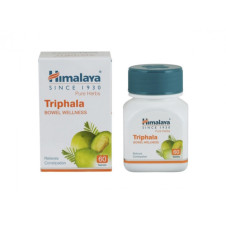
| Triphala 60 bottles | 77.02 € |
FAQ : Questions et réponses sur Médicaments pour la Digestion en 2026
-
Est-il obligatoire de présenter une ordonnance pour acheter Médicaments pour la Digestion ?
-
Est-il légal d’acheter Médicaments pour la Digestion en France ?
-
Existe-t-il une option pour acheter Médicaments pour la Digestion dans votre pharmacie en ligne ?
-
Quel est le coût de Médicaments pour la Digestion ?
-
Quels moyens de paiement sont disponibles ?
-
Comment fonctionne votre service de livraison ?
-
Top des produits populaires en pharmacie