


Medications for Treating Anovulation
Understanding and managing anovulation is essential for women experiencing irregular or absent ovulation, which can lead to infertility and hormonal imbalances. Prompt diagnosis and appropriate treatment can help restore normal ovulatory cycles, improve fertility prospects, and alleviate associated symptoms. This page provides comprehensive information about medications used to treat anovulation, how they work, and important considerations for safe and effective use.
What Is Anovulation?
Anovulation refers to the absence of ovulation during a menstrual cycle. It occurs when the ovaries do not release an egg, disrupting the normal hormonal cycle and often causing irregular or missed periods. This condition can be temporary or chronic and affects women of reproductive age, especially those with hormonal imbalances or underlying health issues. Early diagnosis and treatment are vital to prevent complications such as infertility and to improve overall hormonal health. Recognizing symptoms early enables timely intervention, which can significantly enhance treatment success and quality of life.
Definition and Main Characteristics of Anovulation
Anovulation is a reproductive disorder characterized by the failure to ovulate regularly. Causes include hormonal imbalances, polycystic ovary syndrome (PCOS), thyroid dysfunction, stress, excessive weight changes, and certain medications. It can be a temporary issue linked to stress or illness, or a chronic condition requiring ongoing management. Key features include irregular menstrual cycles, absence of ovulation signs, and potential infertility. The severity varies depending on the underlying cause, and risk factors include age, obesity, and metabolic disorders. Treatment aims to restore ovulation and improve fertility outcomes.
Diagnosis and When to See a Doctor
Diagnosing anovulation involves a combination of medical history, physical examination, and specific tests. Healthcare professionals typically perform blood tests to measure hormone levels, ultrasound imaging to assess ovarian structure, and basal body temperature tracking. It is crucial not to self-medicate, as improper treatment can worsen the condition or cause side effects. Only a qualified specialist can determine the severity of anovulation and prescribe an appropriate treatment plan. Early consultation increases the likelihood of successful management and reduces the risk of complications.
Tests and Diagnostic Methods for Anovulation
Common diagnostic methods include hormonal blood tests measuring levels of FSH, LH, prolactin, and thyroid hormones, which help identify hormonal imbalances. Ultrasound scans evaluate ovarian morphology and follicular development. Basal body temperature charts can reveal ovulation patterns, while progesterone levels measured during the luteal phase confirm whether ovulation has occurred. In some cases, additional tests like hysterosalpingography or laparoscopy may be necessary to rule out structural abnormalities. These assessments collectively provide a comprehensive understanding of the condition.
| Type of Test | Objective | Diagnostic Value |
|---|---|---|
| Blood hormone levels | Assess hormonal balance | Identifies imbalances linked to anovulation |
| Ultrasound | Visualize ovaries and follicles | Detects cysts or structural issues |
| Basal body temperature | Monitor ovulation patterns | Reveals absence or irregularity of ovulation |
Signs Requiring Immediate Medical Attention
Seek urgent medical care if you experience severe abdominal pain, heavy bleeding, sudden dizziness, or signs of infection such as fever and chills. Additionally, if you notice irregular or absent periods accompanied by significant weight loss or gain, persistent headaches, or visual disturbances, consult a healthcare professional promptly. These symptoms may indicate underlying conditions that need urgent evaluation to prevent complications. Delaying medical attention in such cases can lead to worsening health outcomes.
Causes and Risk Factors of Anovulation
Multiple factors can contribute to anovulation, including hormonal imbalances, metabolic issues, lifestyle habits, and genetic predispositions. Conditions like PCOS, thyroid disorders, hyperprolactinemia, and insulin resistance are common internal causes. External factors such as excessive stress, poor diet, obesity, or significant weight fluctuations can also disrupt ovulation. Environmental exposures and certain medications may further influence ovarian function. Recognizing these risk factors helps in early intervention and tailored treatment approaches.
Factors Causing Anovulation
Internal causes include hormonal disorders like PCOS, thyroid dysfunction, and elevated prolactin levels. External influences encompass stress, poor nutrition, obesity, and the use of certain medications. Often, multiple factors interact, making the condition multifactorial. For example, obesity can exacerbate insulin resistance, which in turn affects hormonal balance, leading to anovulation. Understanding these causes allows for targeted therapies and lifestyle modifications to improve ovulatory function.
| Type of Factor | Example | Mechanism of Influence |
|---|---|---|
| Internal | PCOS, thyroid disorders | Hormonal imbalance disrupts ovulation |
| External | Stress, obesity | Hormonal disruption or metabolic interference |
Recognizing the factors that cause anovulation is essential for implementing preventive measures and reducing the risk of developing this condition. Lifestyle changes, medical management, and early detection can significantly improve outcomes.
Recognizing Early Signs of Anovulation
Common early symptoms include irregular or missed periods, absence of ovulation pain, and changes in basal body temperature. Some women may experience lighter or heavier menstrual bleeding, or cycles that are longer or shorter than usual. Recognizing these signs early allows for prompt evaluation and treatment, which can prevent further reproductive issues. It is important to differentiate these symptoms from other menstrual irregularities or health conditions for appropriate management.
How to Recognize the First Signs of Anovulation
Initial signs often involve irregular menstrual cycles, such as skipped periods or cycles longer than 35 days. Some women notice a lack of ovulation symptoms like mid-cycle pain or normal temperature rise. Others may experience symptoms related to hormonal imbalance, such as acne or unwanted hair growth. If these signs persist, consulting a healthcare provider is recommended to confirm the diagnosis and start suitable treatment.
| Type of Symptom | Frequency | Estimated Severity | Notes |
|---|---|---|---|
| Irregular periods | Common | Variable | May indicate hormonal imbalance |
| Absence of ovulation pain | Less common | Mild to moderate | Could suggest anovulation |
Types of Medications and Treatments
The treatment of anovulation depends on its underlying cause, severity, and patient-specific factors. Mild cases may respond to lifestyle modifications or over-the-counter remedies, but more often, hormonal medications are prescribed under medical supervision. The choice of therapy is tailored to each individual, emphasizing safety and effectiveness. Always consult a healthcare professional before starting any treatment, as improper use can lead to adverse effects or worsen the condition.
Medications for Treating Anovulation
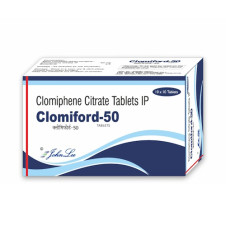
The main groups of medications used include ovulation inducers, hormonal therapies, and insulin-sensitizing agents. Clomiphene citrate is a widely used ovulation stimulant that works by blocking estrogen receptors in the brain, prompting increased release of gonadotropins. Letrozole, an aromatase inhibitor, is another option that reduces estrogen production to stimulate ovulation. Hormonal therapies such as gonadotropins directly supply FSH and LH to induce ovulation. In cases linked to insulin resistance, medications like metformin may be prescribed to improve ovarian function. These medications are selected based on the cause and severity of anovulation, always under medical supervision.
| Type of Medication | Example of Active Ingredient | Therapeutic Goal |
|---|---|---|
| Ovulation inducers | Clomiphene citrate | Stimulate ovulation |
| Hormonal therapies | Gonadotropins (hMG, FSH) | Induce follicular development |
| Insulin-sensitizers | Metformin | Improve insulin sensitivity and ovulation |
Natural Remedies for Anovulation
Complementary approaches such as herbal supplements, acupuncture, and dietary adjustments may help alleviate symptoms and support hormonal balance. For example, Vitex (chaste tree berry) is traditionally used to regulate menstrual cycles, while omega-3 fatty acids can reduce inflammation. Maintaining a balanced diet rich in fruits, vegetables, and whole grains, along with regular exercise, can improve metabolic health. However, these remedies should be used alongside medical treatment and under professional guidance to ensure safety and efficacy. They are not substitutes for prescribed medications but can support overall well-being.
Forms and Presentations: Tablets, Capsules, Gels
Medications for anovulation are typically available in various forms, including tablets, capsules, injections, and topical gels. Tablets and capsules are the most common, offering convenience and rapid absorption. Injections are used in more advanced treatments, such as gonadotropin therapy, providing precise dosing. Topical gels are less common but may be used for hormone delivery in specific cases. Each form has advantages, such as ease of use or targeted delivery, and the choice depends on the treatment plan prescribed by the healthcare provider.
Over-the-Counter (OTC) Medications
For mild symptoms or hormonal imbalances, some women may consider OTC options like herbal supplements or vitamins. However, it is important to remember that OTC remedies are not a substitute for medical diagnosis or prescribed treatments. If symptoms persist or worsen, consulting a healthcare professional is essential. Always check the product's safety, quality, and compatibility with other medications before use. OTC options should be used responsibly and as part of a broader treatment plan under medical advice.
Precautions and Side Effects
Even medications considered safe can cause side effects, especially if misused or taken without proper medical guidance. Common adverse effects include nausea, headaches, mood swings, or breast tenderness. Rare but serious risks involve allergic reactions, liver issues, or cardiovascular problems. Patients with pre-existing conditions, pregnant women, or those on other medications should exercise particular caution. Following prescribed dosages, monitoring symptoms, and regular medical check-ups are crucial to minimize risks and ensure safe treatment outcomes.
Most Common Side Effects
Common side effects include mild symptoms such as hot flashes, nausea, or fatigue. More serious adverse effects, though rare, can involve allergic reactions like rash or swelling, liver toxicity, or blood clots. The risk level varies depending on the medication and individual health status. Patients should report any unusual or severe symptoms to their healthcare provider immediately. Proper monitoring and adherence to medical instructions significantly reduce the likelihood of complications.
| Type of Effect | Frequency | Severity | Recommendations |
|---|---|---|---|
| Nausea, headaches | Common | Mild | Monitor and report persistent symptoms |
| Allergic reactions | Rare | Serious | Seek immediate medical attention |
Safe Use of Medications
To ensure safe medication use, always follow the prescribed dosage and schedule. Avoid combining medications with alcohol or certain foods unless approved by your doctor. Store medicines in a cool, dry place away from children. Regular medical check-ups are essential to monitor treatment effectiveness and detect any adverse effects early. If you experience any unexpected symptoms, contact your healthcare provider promptly. Responsible medication management enhances safety and treatment success.
Prevention and Daily Care
Adopting healthy lifestyle habits plays a vital role in preventing and managing anovulation. Regular medical check-ups, balanced nutrition, physical activity, stress management, and adequate sleep contribute to hormonal balance. Early recognition of symptoms allows for timely intervention, reducing the risk of complications. Tailoring prevention strategies to individual health status and age can optimize outcomes and support overall reproductive health.
Recommended Habits to Reduce the Risk of Anovulation
Maintain a balanced diet rich in fruits, vegetables, and whole grains. Engage in regular moderate exercise to support metabolic health. Manage stress through relaxation techniques or mindfulness practices. Avoid excessive alcohol consumption and smoking, which can disrupt hormonal balance. Achieve and maintain a healthy weight, as obesity or underweight status can impair ovulation. These habits collectively promote hormonal harmony and reproductive well-being.
| Area of Prevention | Recommended Measures | Main Benefits |
|---|---|---|
| Nutrition | Healthy, balanced diet | Supports hormonal regulation |
| Exercise | Regular physical activity | Maintains healthy weight and reduces stress |
| Stress management | Meditation, relaxation techniques | Balances hormonal levels |
Additional Preventive Measures
Routine medical examinations, vaccination against preventable diseases, and appropriate supplementation with vitamins (such as vitamin D and folic acid) can support reproductive health. Following your doctor's advice on screening tests and treatment plans helps detect issues early. Maintaining good hygiene and avoiding environmental toxins also contribute to overall well-being. These secondary preventive measures reduce the likelihood of developing or worsening anovulation and promote long-term health.
Implementing these strategies not only lowers the risk of anovulation but also enhances overall health and quality of life over time.
Prognosis and Recovery
The outlook for women with anovulation largely depends on the underlying cause, the stage of the condition, and how early treatment begins. With appropriate therapy, most women can restore ovulation and conceive successfully. Adherence to medical advice and lifestyle modifications accelerate recovery and improve long-term reproductive health. Regular follow-up ensures that treatment remains effective and adjustments are made as needed. Overall, the prognosis is favorable when the condition is diagnosed and managed promptly.
Typical Recovery Time
The recovery period varies based on severity and treatment type. Mild cases may see symptom improvement within a few days to weeks after starting therapy. More complex or chronic cases might require several months of treatment and monitoring. For instance, hormonal regulation with medication can lead to ovulation within one to three cycles, while lifestyle changes may take longer to show effects. Persistent or recurrent anovulation may need ongoing management and periodic reassessment.
| Type of Case | Average Recovery Duration | Comments |
|---|---|---|
| Mild, temporary | Few days to weeks | Often resolves with lifestyle changes or short-term medication |
| Chronic or severe | Several months | Requires ongoing treatment and monitoring |
Factors Enhancing Prognosis
Early diagnosis, adherence to prescribed treatment, healthy lifestyle choices, and regular medical follow-up significantly improve recovery chances. Maintaining a balanced diet, managing stress, and avoiding harmful habits like smoking or excessive alcohol intake are crucial. Patients who actively participate in their treatment plan and follow medical advice tend to experience better outcomes. These factors collectively increase the likelihood of complete remission or effective management of anovulation.
- Timely medical intervention
- Consistent medication adherence
- Healthy lifestyle habits
- Regular follow-up appointments
Lifestyle Changes for Better Outcomes
The recovery of ovulatory function also depends on adopting healthier daily routines. It is recommended to maintain a nutritious diet, engage in regular physical activity, manage stress effectively, and ensure adequate rest. Avoiding environmental toxins and maintaining a healthy weight can further support hormonal balance. These lifestyle modifications not only aid in recovery but also help prevent future episodes of anovulation.
Potential Complications
Untreated or poorly controlled anovulation can lead to complications such as infertility, hormonal imbalances, or the development of ovarian cysts. In some cases, persistent hormonal disturbances may increase the risk of endometrial hyperplasia or endometrial cancer. Additionally, associated conditions like PCOS can elevate the risk of metabolic syndrome and cardiovascular disease. Preventing these complications requires timely diagnosis, effective treatment, and ongoing health management.
| Complication | Frequency | Severity | Prevention |
|---|---|---|---|
| Infertility | Common | Major | Early treatment and ovulation induction |
| Endometrial hyperplasia | Less common | Serious | Regular menstrual cycles or medical management |
With proper treatment and ongoing care, most women with anovulation recover well and avoid long-term complications, leading to improved reproductive health and overall well-being.
Where to Buy Medications for Anovulation
Medications for anovulation are available at pharmacies and through reputable online platforms. It is essential to verify the licensing and credibility of the pharmacy to ensure the quality and safety of the medicines. Avoid purchasing from unverified sources to prevent counterfeit products. All medications for anovulation can be obtained with a prescription from a healthcare provider in our online pharmacy based in France, ensuring safe and legal access.
Shop Safely at a Licensed Online Pharmacy
Purchasing from our accredited online pharmacy offers numerous advantages, including professional advice, guaranteed product authenticity, and secure transactions. Our platform ensures strict quality control, proper packaging, and discreet shipping. Before completing your order, verify the pharmacy’s license, examine the packaging for tampering, and check expiration dates. Consulting with a pharmacist can help clarify any doubts and ensure the medication suits your health needs. Shopping through a trusted source provides peace of mind and reliable service.
Can You Buy Anovulation Medications Without a Prescription Online?
In France, all medications used to treat anovulation require a prescription; however, our online pharmacy offers certain medications that can be purchased without a prescription for specific cases, such as dietary supplements or herbal remedies. It is important to follow legal regulations and consult a healthcare professional before buying or using any medication. Always ensure that the online pharmacy is licensed and adheres to safety standards to guarantee product quality and authenticity. Responsible purchasing and usage are essential for effective and safe treatment.
- Verify pharmacy licensing
- Check for secure payment options
- Ensure clear product information and instructions
- Consult a healthcare provider if unsure
Shipping Options and Quality Assurance
We offer various shipping methods, including standard, express, and international delivery, to meet your needs. Our quality control measures include batch tracking, temperature regulation during transit, and discreet packaging to protect your privacy. Each shipment is monitored to ensure timely and safe delivery. Our commitment to quality guarantees that your medications arrive intact and ready for use, maintaining their efficacy. When ordering, consider delivery times, costs, and tracking options to choose the most suitable service for your situation.
Pricing, Availability, and Discounts in French Pharmacies
The cost of medications for anovulation in France varies based on factors such as brand versus generic, dosage, formulation (tablets, capsules, injections), and whether a prescription is required. Distribution channels, regional pricing, and ongoing promotions also influence prices. Some forms may be readily available, while others require special ordering or are seasonal. Many pharmacies offer discounts, coupons, or loyalty programs that can reduce costs. Comparing prices between pharmacies and online outlets, and consulting with your pharmacist about available discounts or generic options, can help you access affordable treatment. If the product has a unique dosage or presentation, inquire in advance about ordering procedures or alternatives to ensure timely access.
| Produits en pharmacie | Prix |
|---|---|
| Clomifène | 0.00 € |
FAQ : Questions et réponses sur Médicaments contre l'Anovulation en 2026
-
Est-il obligatoire de présenter une ordonnance pour acheter Médicaments contre l'Anovulation ?
-
Est-il légal d’acheter Médicaments contre l'Anovulation en France ?
-
Existe-t-il une option pour acheter Médicaments contre l'Anovulation dans votre pharmacie en ligne ?
-
Quel est le coût de Médicaments contre l'Anovulation ?
-
Quels moyens de paiement sont disponibles ?
-
Comment fonctionne votre service de livraison ?