


Medications for Andropause: An Informative Overview
Andropause, often referred to as male menopause, is a condition characterized by a gradual decline in testosterone levels in aging men. This hormonal change can lead to various symptoms such as fatigue, reduced libido, mood swings, and muscle loss. Recognizing and treating these symptoms early is essential to improve quality of life and prevent potential health complications. Medications tailored to address testosterone deficiency are commonly prescribed, and understanding their options can help men make informed decisions in consultation with healthcare professionals.
What Is Andropause?
Andropause is a natural part of aging in men, involving a slow decrease in testosterone production by the testes. Unlike women’s menopause, which occurs abruptly, andropause develops gradually over years, affecting the endocrine system and overall vitality. It is a chronic condition that can significantly impact physical, emotional, and sexual health if left untreated. Early diagnosis is crucial because it allows for timely intervention, which can alleviate symptoms and restore a better sense of well-being.
Definition and Main Characteristics of Andropause
Andropause refers to the age-related decline in testosterone levels, typically beginning around age 40-50. Causes include natural hormonal aging, lifestyle factors such as stress, obesity, and smoking, as well as certain medical conditions like diabetes or cardiovascular disease. The progression varies among individuals but generally involves a gradual decrease in testosterone, leading to symptoms like decreased muscle mass, fatigue, and diminished libido. It is considered a chronic condition, with severity ranging from mild to moderate, and primarily affects middle-aged and older men. Risk factors include age, unhealthy lifestyle choices, and underlying health issues.
Diagnosis and When to Consult a Doctor
Diagnosing andropause involves a combination of medical history assessment, physical examination, and laboratory tests. It is important not to self-medicate, as only a healthcare professional can accurately evaluate hormone levels and determine the severity of the condition. Early consultation improves the effectiveness of treatment options and helps prevent complications. Men experiencing persistent symptoms such as low energy, erectile dysfunction, or mood changes should seek medical advice promptly to establish an appropriate diagnosis and treatment plan.
Tests and Diagnostic Methods for Andropause
Diagnosis typically involves blood tests measuring serum testosterone levels, often performed in the morning when levels are highest. Additional tests may include luteinizing hormone (LH) and follicle-stimulating hormone (FSH) to evaluate testicular function. Sometimes, a semen analysis or imaging studies like ultrasound may be used to assess testicular health. The table below summarizes common diagnostic tests:
| Type of Test | Objective | Diagnostic Value |
|---|---|---|
| Serum testosterone measurement | Assess hormone levels | Low levels confirm deficiency |
| LH and FSH tests | Evaluate testicular function | Altered levels indicate primary or secondary hypogonadism |
| Imaging (ultrasound) | Examine testicular structure | Detects structural abnormalities |
Signs Requiring Immediate Medical Attention
While many symptoms of andropause develop gradually, certain signs warrant urgent medical evaluation. These include sudden severe fatigue, chest pain, unexplained weight loss, or significant mood swings. Additionally, symptoms such as persistent erectile dysfunction or signs of cardiovascular issues should prompt immediate consultation. Delaying medical attention in such cases can lead to serious health risks, including heart problems or hormonal imbalances that require prompt intervention.
Causes and Risk Factors of Andropause
The primary cause of andropause is the natural decline in testosterone production with age. External factors such as unhealthy lifestyle choices—smoking, excessive alcohol consumption, poor diet, and lack of exercise—also contribute to the severity of symptoms. Chronic illnesses like diabetes, obesity, and cardiovascular diseases can accelerate hormonal decline. Environmental exposures to endocrine disruptors and high stress levels further increase risk. Recognizing these factors helps in implementing preventive measures and managing symptoms effectively.
Factors Contributing to Andropause
Internal factors include genetic predisposition and age-related hormonal changes, while external factors encompass lifestyle habits, environmental toxins, and health conditions. Multiple causes often interact, making the condition multifactorial. For example, a sedentary lifestyle combined with obesity and stress can significantly hasten testosterone decline. Understanding these contributors allows for targeted prevention strategies and personalized treatment approaches.
| Type of Factor | Example | Mechanism of Influence |
|---|---|---|
| Internal | Genetics | Predisposes to earlier or more severe decline in testosterone |
| External | Sedentary lifestyle | Reduces overall hormonal production and muscle mass |
| Environmental | Exposure to endocrine disruptors | Interferes with hormonal balance |
Manifestation and Symptoms of Andropause
Symptoms often begin subtly and progress over time. Common early signs include decreased libido, fatigue, mood swings, and reduced muscle strength. As the condition advances, men may experience erectile dysfunction, increased body fat, osteoporosis, and depression. Recognizing these signs early allows for prompt intervention, which can significantly improve outcomes. Lifestyle factors and overall health influence symptom severity and progression.
Recognizing Early Signs of Andropause
Initial symptoms are often mild and may include decreased energy, less interest in sex, and mood changes. These can be mistaken for normal aging or stress, but persistent symptoms should prompt medical consultation. Distinguishing andropause from other conditions involves evaluating hormone levels and ruling out other causes such as depression or thyroid issues. Early detection facilitates effective management and improves quality of life.
Types of Medications and Treatments
The treatment of andropause primarily involves hormone replacement therapy (HRT) to restore testosterone levels. Depending on individual needs, doctors may prescribe various medications, including testosterone gels, patches, injections, or oral formulations. Over-the-counter options may help with mild symptoms, but stronger or combined therapies require medical supervision. The choice of treatment depends on the severity of symptoms, age, health status, and personal preferences, always under professional guidance.
Medications for Treating Andropause
Several classes of medications are used to manage testosterone deficiency. These include:
- Testosterone Replacement Therapy (TRT): Aims to restore normal testosterone levels using gels, patches, injections, or pellets. Example: testosterone enanthate.
- Selective Estrogen Receptor Modulators (SERMs): Used to stimulate endogenous testosterone production. Example: clomiphene citrate.
- Hormone Boosters and Supplements: Over-the-counter products claiming to enhance testosterone, though their efficacy varies and should be used cautiously.
In addition, some medications may target specific symptoms, such as antidepressants for mood or PDE5 inhibitors for erectile dysfunction. The table below summarizes common medications:
| Type of Medication | Example of Active Ingredient | Therapeutic Goal |
|---|---|---|
| Testosterone gels | Testosterone enanthate | Restore testosterone levels |
| Oral medications | Clomiphene citrate | Stimulate endogenous testosterone production |
| PDE5 inhibitors | Sildenafil | Improve erectile function |
Natural Remedies for Andropause
Complementary approaches can help alleviate symptoms, though they should not replace medical treatment. These include:
- Herbal supplements such as tribulus terrestris or ginseng, which may support testosterone production.
- Diet rich in zinc, vitamin D, and healthy fats to promote hormonal health.
- Regular physical activity, especially strength training, to boost testosterone levels naturally.
- Stress reduction techniques like meditation or yoga to balance hormonal fluctuations.
While these methods can provide relief, they should be used alongside prescribed treatments and under medical supervision to ensure safety and effectiveness.
Forms and Presentations: Tablets, Capsules, Gels
Medications for andropause are available in various forms, including tablets, capsules, gels, patches, and injections. Tablets and capsules are convenient and often used for daily dosing, offering quick absorption. Gels and patches provide a steady release of testosterone through the skin, ensuring consistent hormone levels. Injections are typically administered every few weeks and can be more effective for severe deficiencies. Each form has specific advantages depending on patient preferences and medical advice.
Over-the-Counter (OTC) Medications
For mild symptoms, some men consider OTC supplements or herbal products claiming to boost testosterone. These options are widely available but lack rigorous scientific validation. It is important to remember that OTC remedies should not replace prescribed therapies, especially if symptoms persist or worsen. Consulting a healthcare professional before starting any OTC product is strongly recommended to avoid interactions or side effects.
Precautions and Side Effects
Even medications considered safe can cause side effects if misused or taken without proper supervision. Adhering to prescribed dosages and instructions reduces the risk of adverse reactions. Certain populations, such as children, pregnant women, elderly individuals, or those with chronic illnesses, require special caution. Regular monitoring by a healthcare provider ensures safe and effective treatment, minimizing potential risks.
Most Common Side Effects
Common mild side effects include skin irritation at the application site, mild acne, or fluid retention. More serious but less frequent effects involve increased red blood cell count, sleep apnea, or cardiovascular issues. Allergic reactions, such as rash or swelling, require immediate medical attention. The table below summarizes typical side effects:
| Type of Effect | Frequency | Severity | Recommendations |
|---|---|---|---|
| Skin irritation | Common | Light | Adjust application site or method |
| Increased blood pressure | Less common | Moderate to severe | Monitor blood pressure regularly |
| Allergic reactions | Rare | Severe | Discontinue medication and seek urgent care |
Safe Medication Use Tips
To ensure safe medication use:
- Follow the prescribed dosage and schedule strictly.
- Avoid alcohol and certain foods that may interact with treatment.
- Store medications in a cool, dry place away from children.
- Schedule regular check-ups to monitor hormone levels and side effects.
- Report any unusual symptoms or adverse reactions to your healthcare provider promptly.
Responsible medication management and ongoing medical supervision are key to achieving optimal results and minimizing risks.
Prevention and Daily Care
Preventive measures and healthy daily habits play a vital role in managing andropause. Regular medical check-ups, maintaining a balanced diet, engaging in physical activity, and avoiding harmful habits can delay or reduce symptoms. Early recognition of warning signs allows for prompt intervention, which can improve long-term health outcomes. Tailoring prevention strategies to individual health status and age enhances their effectiveness.
Recommended Habits to Reduce the Risk of Andropause
Adopting a healthy lifestyle involves:
- Eating a nutritious diet rich in fruits, vegetables, lean proteins, and healthy fats.
- Engaging in regular exercise, especially strength and cardiovascular training.
- Ensuring adequate sleep and managing stress effectively.
- Avoiding smoking, excessive alcohol, and recreational drug use.
- Maintaining a healthy weight to prevent metabolic and hormonal disturbances.
These habits support hormonal balance and overall health, reducing the likelihood or severity of andropause symptoms.
Additional Preventive Measures
Secondary prevention includes routine blood tests to monitor hormone levels, vaccinations if necessary, and supplementation with vitamins like D and zinc. Following your doctor’s recommendations for screenings and lifestyle adjustments can help detect early changes and prevent progression. Incorporating these measures contributes to overall well-being and enhances quality of life over time.
Prognosis and Recovery
The outlook for men with andropause largely depends on how early the condition is diagnosed and treated. With appropriate therapy and lifestyle modifications, most men experience significant symptom relief and improved health. Adherence to medical advice and regular monitoring are essential for a positive prognosis. In some cases, ongoing management may be necessary to maintain hormonal balance and prevent relapse.
Typical Recovery Time
The recovery period varies according to the severity of symptoms and the chosen treatment. Mild cases may see improvement within a few days to weeks, while more severe or longstanding conditions might require several months of therapy. For example, hormonal therapy often shows results within 4-6 weeks, but full stabilization can take longer. Chronic cases may need continuous management to sustain benefits.
| Type of Case | Average Recovery Duration | Comments |
|---|---|---|
| Mild symptoms | 2-4 weeks | Rapid improvement with treatment |
| Moderate to severe cases | 1-3 months | Requires ongoing therapy and monitoring |
Factors Enhancing Prognosis
Early diagnosis, strict adherence to treatment, and healthy lifestyle choices significantly improve recovery prospects. Regular follow-up appointments and blood tests help optimize therapy and prevent complications. Patients who actively participate in their care and maintain a balanced diet, exercise routine, and stress management tend to have better outcomes. These factors collectively increase the likelihood of complete remission or symptom control.
Lifestyle Changes for Better Outcomes
Recovery depends not only on medical treatment but also on adopting healthier habits. Patients are advised to:
- Maintain a balanced diet rich in nutrients supporting hormonal health.
- Engage in regular physical activity to boost testosterone naturally.
- Manage stress through relaxation techniques or hobbies.
- Avoid harmful substances like tobacco and excessive alcohol.
- Ensure adequate sleep and hydration.
Implementing these changes can accelerate recovery and reduce the risk of relapse.
Potential Complications
If untreated or poorly managed, andropause can lead to complications such as osteoporosis, cardiovascular disease, depression, and metabolic syndrome. These issues can significantly impair quality of life and increase health risks. Prevention through timely treatment and lifestyle modifications is essential to avoid such outcomes. Regular medical follow-up helps detect early signs of complications and allows for prompt intervention.
| Complication | Frequency | Severity | Prevention |
|---|---|---|---|
| Osteoporosis | Common in untreated cases | Moderate to severe | Bone density monitoring, calcium, vitamin D |
| Cardiovascular issues | Frequent with hormonal imbalance | Severe | Blood pressure and lipid control |
With proper treatment and ongoing care, most men recover well and avoid long-term complications, maintaining a better quality of life.
Where to Buy Medications for Andropause
Medications for andropause are available both in physical pharmacies and online stores. It is crucial to verify the legitimacy of the pharmacy, ensuring it is licensed and reputable to guarantee the quality and safety of the products. Beware of counterfeit medications, which can pose serious health risks. All medications for andropause are accessible through our licensed online pharmacy in France, with secure purchasing options and professional support.
Shop Safely in a Licensed Online Pharmacy
Purchasing from our accredited online pharmacy offers several advantages, including expert advice, guaranteed product authenticity, and secure payment methods. We ensure strict quality control, proper packaging, and discreet delivery. Before completing your purchase, verify the pharmacy’s license, check the product’s expiration date, and consult our pharmacists if you have any questions. These precautions help protect your health and ensure you receive genuine medications.
Can You Buy Andropause Medications Online Without a Prescription?
In France, all medications for andropause, including testosterone therapies, require a prescription. However, our online pharmacy provides a legal and safe platform to purchase certain over-the-counter supplements and herbal remedies without a prescription. For prescription medications, a valid medical prescription is necessary, which can often be submitted electronically. Always consult a healthcare professional before buying or using any medication to ensure proper use and safety.
- Verify the pharmacy’s licensing and credentials.
- Ensure the website is secure (look for HTTPS).
- Check for clear product information and contact details.
- Consult a pharmacist if in doubt about medication suitability.
Shipping Options and Quality Assurance
Our pharmacy offers various shipping methods, including standard, express, and international delivery, tailored to your needs. We implement rigorous quality control measures such as lot tracking, temperature regulation, and discreet packaging to maintain product integrity. Tracking your order ensures transparency, and our customer service is available for assistance. These measures guarantee that your medications arrive safely, promptly, and in perfect condition.
Pricing, Availability, and Promotions in French Pharmacies
The cost of andropause medications in France varies based on factors like brand versus generic, dosage, form (tablets, gels, injections), and whether a prescription is required. Availability can fluctuate depending on stock levels, regional distribution, and seasonal demand. Many pharmacies offer discounts, promotional codes, or loyalty programs that can reduce costs. Comparing prices between online and brick-and-mortar pharmacies, and asking about ongoing promotions, can help you access affordable treatment options. If you need a specific formulation or dosage, inquire about alternatives or special ordering procedures to ensure timely access to your medication.
| Produits en pharmacie | Prix |
|---|---|
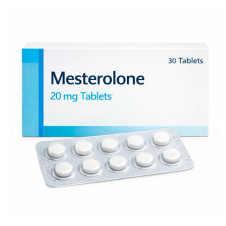
| Mesterolone 20 mg comprimés | 102.40 € |
FAQ : Questions et réponses sur Médicaments contre l'Andropause en 2026
-
Est-il obligatoire de présenter une ordonnance pour acheter Médicaments contre l'Andropause ?
-
Est-il légal d’acheter Médicaments contre l'Andropause en France ?
-
Existe-t-il une option pour acheter Médicaments contre l'Andropause dans votre pharmacie en ligne ?
-
Quel est le coût de Médicaments contre l'Andropause ?
-
Quels moyens de paiement sont disponibles ?
-
Comment fonctionne votre service de livraison ?
-
Top des produits populaires en pharmacie