


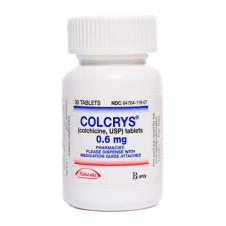
Medications for Amylose: An Overview
Amylose is a rare but serious condition characterized by the abnormal buildup of amyloid proteins in various organs and tissues, which can impair their function. Early diagnosis and appropriate treatment are essential to manage symptoms, prevent organ damage, and improve quality of life. Since amylose can affect different parts of the body, treatment strategies are tailored to the type and severity of the disease, making medical supervision crucial. Understanding the available medications and management options helps patients and caregivers make informed decisions and adhere to effective treatment plans.
What is Amylose?
Amylose, more accurately called amyloidosis, is a chronic disease involving the accumulation of amyloid proteins in tissues and organs such as the heart, kidneys, liver, and nervous system. This buildup can lead to organ dysfunction over time, often progressing slowly but with potentially severe consequences if untreated. The disease can be hereditary or acquired, with various subtypes depending on the type of amyloid protein involved. Diagnosing amyloidosis early is vital because it allows for timely intervention, which can slow disease progression and alleviate symptoms.
Definition and Main Characteristics of Amylose
Amyloidosis is a group of disorders characterized by the extracellular deposition of insoluble amyloid fibrils, which are abnormal protein aggregates. Causes include genetic mutations, chronic inflammatory conditions, or plasma cell disorders like multiple myeloma. The disease typically progresses gradually, affecting multiple organs with varying severity. It can be classified into systemic or localized forms, with systemic amyloidosis being more serious. Risk groups include older adults, individuals with chronic inflammatory diseases, and those with genetic predispositions. The severity depends on the extent of amyloid deposits and organ involvement, making early detection and management essential.
Diagnosis and When to Consult a Doctor
Diagnosing amyloidosis involves a combination of clinical evaluation, laboratory tests, imaging, and tissue biopsies to confirm amyloid deposits. Medical professionals utilize techniques such as Congo red staining, immunohistochemistry, and advanced imaging like MRI or scintigraphy. Because symptoms can mimic other conditions, it’s important not to self-medicate and seek specialist advice promptly. Early consultation with a healthcare provider improves the chances of accurate diagnosis and effective treatment, reducing the risk of irreversible organ damage. Regular monitoring is often necessary to assess disease progression and treatment response.
Tests and Diagnostic Methods for Amylose
Key diagnostic methods include tissue biopsies stained with Congo red, which reveal amyloid deposits under polarized light. Blood and urine tests help identify underlying causes, such as abnormal proteins in plasma cell disorders. Imaging studies like echocardiography or MRI assess organ involvement, while specialized scans like technetium-99m scintigraphy can detect amyloid in specific tissues. Laboratory analysis of genetic markers may be performed in hereditary cases. These tests collectively confirm the presence of amyloid and guide treatment decisions.
| Type of Test | Objective | Diagnostic Value |
|---|---|---|
| Tissue Biopsy | Detect amyloid deposits | High sensitivity and specificity |
| Blood/Urine Tests | Identify abnormal proteins | Supports diagnosis and underlying cause |
| Imaging (MRI, Echocardiography) | Assess organ involvement | Provides functional and structural info |
Signs Requiring Immediate Medical Attention
If you experience sudden shortness of breath, chest pain, severe swelling, sudden weakness, or signs of organ failure, seek emergency medical care. These symptoms may indicate rapid disease progression or organ compromise, which can be life-threatening if not promptly addressed. Early recognition of worsening symptoms allows for urgent intervention, potentially preventing irreversible damage and improving outcomes. Ignoring warning signs can lead to serious complications, emphasizing the importance of timely medical evaluation.
Causes and Risk Factors of Amylose
Amyloidosis can be caused by various factors, including genetic mutations, chronic inflammatory diseases like rheumatoid arthritis, or plasma cell disorders such as multiple myeloma. External factors like prolonged infections, environmental exposures, or certain medications may also contribute. Age is a significant risk factor, with most cases occurring in older adults. Lifestyle factors, including smoking or unhealthy diets, are less directly linked but may influence overall health. Recognizing these risk factors helps in early detection and preventive strategies.
Factors Contributing to Amylose Development
The development of amyloidosis often involves a combination of internal and external factors. Genetic predispositions can lead to hereditary forms, while external influences like chronic inflammation or infections promote amyloid production. Lifestyle habits, such as smoking or poor diet, may exacerbate underlying conditions. Multiple causes often interact, increasing the likelihood of amyloid accumulation. Understanding these factors is essential for implementing preventive measures and reducing disease risk.
| Type of Factor | Example | Mechanism of Influence |
|---|---|---|
| Genetic | Hereditary amyloidosis | Mutations lead to abnormal protein production |
| Environmental | Chronic infections | Prolonged inflammation stimulates amyloid formation |
| Lifestyle | Smoking, poor diet | Weakens immune response, promotes inflammation |
Recognizing the factors that cause amyloidosis is crucial for taking preventive actions and reducing disease development risk. Addressing modifiable risks can significantly impact disease progression and patient outcomes.
Recognizing Early Signs of Amylose
Early symptoms of amyloidosis are often subtle and nonspecific, including fatigue, swelling, and unexplained weight loss. As the disease progresses, symptoms depend on the affected organs, such as shortness of breath if the heart is involved or kidney problems leading to swelling. Early detection relies on awareness of these signs and prompt medical evaluation. Recognizing symptoms early allows for interventions that can slow progression and improve quality of life.
How to Detect Initial Signs of Amylose
Common early signs include persistent fatigue, swelling in the ankles or abdomen, and unexplained weight loss. Some patients may experience numbness or tingling if nerves are affected. These symptoms can be mistaken for other conditions, so consulting a healthcare professional is essential for accurate diagnosis. Recognizing these early indicators facilitates timely testing and treatment, potentially preventing severe organ damage.
| Type of Symptom | Frequency | Severity | Notes |
|---|---|---|---|
| Fatigue | Common | Variable | Often initial symptom |
| Swelling | Frequent | Moderate to severe | In limbs or abdomen |
Medications and Treatment Options
The treatment of amyloidosis depends on the type and severity of the disease. While some cases may require only supportive care, others need targeted medications, including chemotherapy, immunotherapy, or specific agents to reduce amyloid production. Over-the-counter remedies are generally insufficient for managing this complex condition. Always consult a healthcare professional to determine the most appropriate therapy, which may involve a combination of drugs and lifestyle adjustments.
Medications for Amylose
Primary drug groups include chemotherapy agents like melphalan, immunomodulators such as thalidomide, and targeted therapies like proteasome inhibitors. In hereditary forms, specific treatments aim to stabilize the abnormal proteins. For cardiac or renal involvement, medications may include diuretics or ACE inhibitors to manage symptoms. The choice of medication depends on the disease subtype, organ involvement, and patient health status. Combining therapies can enhance effectiveness but requires careful medical supervision.
| Type of Medication | Example of Active Ingredient | Therapeutic Goal |
|---|---|---|
| Chemotherapy | Melphalan | Reduce abnormal plasma cells producing amyloid |
| Immunomodulators | Thalidomide | Suppress amyloidogenic plasma cell activity |
| Supportive Drugs | Diuretics, ACE inhibitors | Manage organ symptoms and improve function |
Natural Remedies for Amylose
Complementary approaches such as herbal teas (e.g., ginger or turmeric), dietary antioxidants, and stress reduction techniques may help alleviate some symptoms. However, these should only be used alongside prescribed treatments and under medical supervision. They are not substitutes for medical therapy but can support overall well-being and symptom management.
Forms and Presentations: Tablets, Capsules, Injections
Medications for amyloidosis are available in various forms, including tablets, capsules, injections, and infusions. Tablets and capsules are convenient for daily oral intake, offering ease of use and rapid absorption. Injections and infusions are often used in hospital settings for potent drugs like chemotherapy agents, allowing precise dosing. Pommades or topical forms are less common but may be used for symptom relief in skin-related amyloidosis. The choice depends on the medication type, disease severity, and patient needs.
Over-the-Counter (OTC) Medications
For mild symptoms such as pain or inflammation, OTC options like acetaminophen or NSAIDs may provide relief. However, these do not treat the underlying amyloid deposits and should be used cautiously, especially in patients with organ involvement. Persistent or worsening symptoms require medical evaluation for appropriate diagnosis and therapy. OTC medications are only supplementary and not a substitute for prescribed treatments.
Precautions and Side Effects
Even medications considered safe can cause side effects, especially when misused or taken without proper medical guidance. Common adverse effects include nausea, fatigue, or allergic reactions, while more severe issues like liver toxicity or cardiac problems can occur with certain drugs. Following the prescribed dosage, monitoring for adverse reactions, and regular medical check-ups are vital for safe treatment. Particular caution is needed for vulnerable groups such as children, pregnant women, elderly patients, or those with existing health conditions.
Most Common Side Effects
Common side effects include mild nausea, dizziness, or skin rashes. Serious adverse reactions, though rare, may involve allergic responses, liver damage, or heart issues, requiring immediate medical attention. The risk level varies depending on the medication and individual patient factors. Regular monitoring helps detect side effects early and adjust treatment accordingly.
| Type of Effect | Frequency | Severity | Recommendations |
|---|---|---|---|
| Nausea, Dizziness | Common | Mild | Take with food, monitor symptoms |
| Allergic reactions | Rare | Severe | Seek immediate care |
Safe Medication Use Tips
Always follow the prescribed dosage and schedule, avoid mixing medications without medical advice, and store drugs properly. Be aware of potential interactions with food, alcohol, or other medicines. Regular blood tests and check-ups help monitor treatment effects. If side effects occur, consult your healthcare provider promptly to adjust therapy or address complications.
Prevention and Daily Care
While some forms of amyloidosis are genetic or unavoidable, adopting a healthy lifestyle can reduce the risk of progression or recurrence. Regular medical check-ups, maintaining a balanced diet, staying active, and managing stress are beneficial. Early recognition of symptoms and prompt medical attention are key to preventing severe organ damage. Tailoring prevention strategies to individual health status enhances overall well-being and disease management.
Recommended Habits to Reduce Amylose Risk
Adopt a nutritious diet rich in antioxidants, engage in regular physical activity, avoid smoking and excessive alcohol consumption, ensure adequate rest, and manage stress effectively. These habits support immune health and reduce inflammation, which can contribute to amyloid buildup. Consistent health monitoring and adherence to medical advice further decrease disease risk and improve outcomes.
| Domain of Prevention | Recommended Measures | Main Benefits |
|---|---|---|
| Diet and Nutrition | Eat fruits, vegetables, lean proteins | Strengthens immune system, reduces inflammation |
| Physical Activity | Regular moderate exercise | Improves circulation, reduces stress |
| Stress Management | Meditation, hobbies | Supports mental health, reduces inflammation |
Additional Preventive Measures
Routine medical examinations, vaccinations when appropriate, and adherence to prescribed medications help prevent disease progression. Monitoring for early signs and following your doctor's recommendations can detect issues before they worsen. Maintaining a healthy lifestyle and avoiding known risk factors contribute significantly to long-term health and disease control.
Taking these secondary preventive steps not only lowers the risk of amyloidosis but also promotes overall health and quality of life over time.
Prognosis and Recovery
The outlook for amyloidosis varies depending on the disease type, extent of organ involvement, and how early treatment begins. With timely and appropriate therapy, many patients experience stabilization or improvement, leading to a better quality of life. Adherence to medical advice and lifestyle modifications are essential to optimize outcomes. Regular follow-up allows for adjustments in treatment and early detection of potential complications.
Typical Recovery Time
The recovery period depends on the severity and form of amyloidosis. Mild cases may see symptom relief within weeks, whereas more advanced disease can require months of ongoing treatment. For example, patients with localized amyloidosis might recover faster, while systemic forms often need prolonged management. In chronic cases, continuous monitoring and supportive care are necessary to maintain health and prevent relapse.
| Type of Case | Average Recovery Duration | Comments |
|---|---|---|
| Localized Amyloidosis | Few weeks to months | Often reversible with treatment |
| Systemic Amyloidosis | Several months to years | Requires ongoing management and monitoring |
Factors Enhancing Prognosis
Early diagnosis, prompt initiation of therapy, and strict adherence to treatment plans significantly improve outcomes. Patients who maintain a healthy lifestyle, avoid known risk factors, and regularly follow medical advice have higher chances of remission or stabilization. Supportive care and managing comorbidities also contribute to better prognosis.
- Early detection and treatment
- Adherence to prescribed therapies
- Healthy lifestyle choices
- Regular medical follow-up
These factors greatly increase the likelihood of full recovery or disease remission, reducing the risk of long-term complications.
Lifestyle Changes for Better Outcomes
Patients are advised to adopt a balanced diet, stay physically active, avoid smoking and excessive alcohol, manage stress effectively, and ensure adequate rest. These habits support overall health, enhance immune function, and may slow disease progression. Consistent medical check-ups and medication adherence are also crucial components of a comprehensive management plan.
Potential Complications
If not properly managed, amyloidosis can lead to serious complications such as heart failure, kidney failure, nerve damage, and increased risk of infections. These issues can severely impair quality of life and may be life-threatening. Preventing complications depends on early diagnosis, effective treatment, and active patient participation in health management.
| Complication | Frequency | Severity | Prevention |
|---|---|---|---|
| Organ failure (heart, kidney) | Common in advanced cases | Severe | Early diagnosis and treatment |
| Infections | Variable | Potentially serious | Proper medical care and hygiene |
With appropriate treatment and ongoing care, most patients can achieve satisfactory health outcomes and avoid long-term complications.
Where to Purchase Medications for Amylose
Medications for amyloidosis are available at pharmacies and through reputable online platforms. It is essential to verify the license and credibility of the pharmacy to ensure medication quality and authenticity. Avoiding counterfeit products is crucial for safety and treatment efficacy. All medications prescribed for amyloidosis are accessible via our online pharmacy in France, with proper documentation and secure delivery options.
Buy Safely from an Authorized Online Pharmacy
Shopping from our licensed online pharmacy offers numerous advantages, including professional advice, guaranteed medication quality, and secure transactions. We ensure the authenticity of all products, provide detailed information, and facilitate easy returns if necessary. To ensure a safe purchase, always check the pharmacy’s license, examine packaging for tampering, verify expiration dates, and consult a pharmacist if needed. These precautions help protect your health and guarantee effective treatment.
Can You Buy Amylose Medications Online Without a Prescription?
In France, all medications used to treat amyloidosis are available online without a prescription through our pharmacy. This includes drugs like chemotherapy agents, supportive medications, and symptom-relief products. However, it remains essential to consult a healthcare professional for proper diagnosis and treatment planning. When purchasing online, ensure that the platform is licensed, provides clear product information, and adheres to safety standards to avoid counterfeit or substandard products.
- Verify pharmacy licensing
- Check product authenticity
- Follow recommended dosages
- Consult a healthcare provider for ongoing management
Shipping Options and Quality Assurance
We offer multiple shipping methods, including standard, express, and international delivery, to meet your needs. Our quality control procedures include tracking lot numbers, maintaining proper storage conditions, and ensuring discreet packaging. Each shipment is monitored to guarantee safe and timely delivery. These measures help preserve medication integrity and provide peace of mind for our customers.
- Traceability of shipments
- Temperature-controlled packaging
- Discreet and secure delivery
- Real-time tracking updates
Pricing, Availability, and Discounts in French Pharmacies
The cost of amyloidosis medications in France varies based on factors such as brand versus generic, dosage, formulation (tablets, capsules, infusions), and whether a prescription is required. Regional differences, seasonal demand, and promotional offers can also influence prices. Many pharmacies offer discounts, coupons, and loyalty programs, making treatment more affordable. Availability may differ; some medications are stocked immediately, while others require special ordering. Comparing prices across pharmacies and seeking advice from pharmacists can help you find the best deals and suitable alternatives, especially if specific formulations or dosages are needed. Planning ahead ensures timely access to necessary treatments and potential savings.
| Produits en pharmacie | Prix |
|---|---|
| Colcrys | 0.00 € |
FAQ : Questions et réponses sur Médicaments contre l'Amylose en 2026
-
Est-il obligatoire de présenter une ordonnance pour acheter Médicaments contre l'Amylose ?
-
Est-il légal d’acheter Médicaments contre l'Amylose en France ?
-
Existe-t-il une option pour acheter Médicaments contre l'Amylose dans votre pharmacie en ligne ?
-
Quel est le coût de Médicaments contre l'Amylose ?
-
Quels moyens de paiement sont disponibles ?
-
Comment fonctionne votre service de livraison ?